

When choosing paint for the interior of a home, colour and finish are no longer the only factors considered. The market now offers products advertised as eco-friendly, low-emission, antibacterial, anti-mould, washable or even air-purifying.
The problem is that these terms do not mean the same thing or address the same needs.
Eco-friendly paint can be a good choice for reducing the environmental impact of a project and limiting certain substances and emissions. Antibacterial paint, on the other hand, includes a specific property designed to hinder the growth of certain bacteria on the painted surface.
This does not mean that every home needs antibacterial paint or that any product advertised as “eco-friendly” is automatically the best option.
The decision should depend on the room, the condition of the wall, ventilation, the presence of damp, cleaning requirements and how the home is actually used.
In this guide, we explain the differences between eco-friendly, antibacterial and anti-mould paint, when they are worth using and which documents should be checked before choosing a product.
Get in touch with our experts
Quick answer: is eco-friendly or antibacterial paint worth using?
For many interior painting projects, it is worth choosing a certified, washable, low-emission eco-friendly paint, particularly for bedrooms, living rooms, children’s bedrooms or homes that will remain occupied while the work is being carried out.
Antibacterial paint is more useful in specific areas where an additional level of hygiene is required, occupancy is high or the walls need frequent cleaning. It may be considered for kitchens, utility rooms, children’s areas, rental properties, consulting rooms, offices or homes occupied by particularly vulnerable people.
However, antibacterial paint does not replace cleaning, ventilation or damp treatment. Nor is it necessarily an anti-mould or damp-proof paint.
| Situation | Option to prioritise |
|---|---|
| Bedrooms and living rooms | Eco-friendly, washable and low-emission paint |
| Children’s bedroom | A certified, durable and easy-to-clean product |
| Kitchen or utility room | Washable paint; antibacterial paint when there is a specific need |
| Bathroom affected by condensation | Ventilation, surface treatment and suitable anti-mould paint |
| Home with active damp | Diagnose and repair the cause before painting |
| Rental property or heavily used home | Paint resistant to washing and scuffing |
| Area with specific hygiene requirements | Antibacterial paint with documented effectiveness |
| Complete home renovation | Certified eco-friendly paint and specialist treatments only where necessary |
What exactly is eco-friendly paint?
The term “eco-friendly paint” is used very broadly. It may refer to water-based paint, mineral paint, a product made with renewable raw materials or paint with a lower volatile organic compound content.
However, the fact that a paint is water-based or has little odour does not by itself prove that it is eco-friendly.
To make a more objective choice, it is advisable to look for recognised certifications. According to the official European Union Ecolabel criteria for paints and varnishes, certified products must meet requirements concerning the reduction of hazardous substances and volatile organic compounds, as well as demonstrate suitable performance for their intended use.
Before choosing eco-friendly paint, check:
- The product’s specific environmental certification.
- The volatile organic compound content stated in the technical data sheet.
- Available information about indoor emissions.
- Its coverage and overall performance.
- Its resistance to washing.
- Its expected durability.
- Its compatibility with the wall and primer.
- The ventilation and drying instructions.
Eco-friendly paint is not necessarily completely natural, free from every chemical substance or suitable for everyone who is sensitive to particular ingredients.
For this reason, as well as consulting general information about the benefits and characteristics of eco-friendly paints, it is important to review the documentation for the specific product.
What is antibacterial paint?
Antibacterial paint is a coating formulated to reduce or hinder the growth of certain bacteria on the dry paint film.
Its effectiveness should be supported by tests carried out on the finished product under specific conditions. It is not enough for the packaging to include words such as “hygienic”, “sanitary” or “active protection”.
Before purchasing antibacterial paint, it is advisable to request:
- The latest technical data sheet.
- The safety data sheet.
- The test supporting its antibacterial activity.
- The bacteria against which it has been tested.
- The contact time used during the test.
- The type of surface on which the test was carried out.
- The estimated duration of the antibacterial performance.
- Its resistance after washing and wear.
A reduction in bacteria achieved under laboratory conditions does not mean that the paint can disinfect a room by itself or prevent illness.
It should be regarded as a complementary measure alongside cleaning, ventilation and surface maintenance.
Differences between eco-friendly, antibacterial, anti-mould and damp-proof paint
These products may share certain properties, but they are designed to address different problems.
| Type of paint | Main purpose | What it does not guarantee |
| Eco-friendly | To reduce certain environmental impacts, substances or emissions | That it is antibacterial, anti-mould or completely natural |
| Low-VOC | To limit the content of volatile organic compounds | That it produces no emissions or is completely odourless |
| Antibacterial | To hinder the growth of certain bacteria on the surface | That it removes mould, viruses or damp |
| Anti-mould | To hinder the appearance of certain fungi | That it repairs water ingress or eliminates condensation |
| Damp-proof | To help protect against or block stains in certain situations | That it solves every source of damp |
| Breathable | To allow water vapour to pass through the coating | That it stops active water ingress |
A single product may combine several features. For example, a paint may be eco-friendly, washable and antibacterial.
However, each property should be supported by the technical data sheet or the corresponding test results.
When stains, flaking paint or mould are present, it is also important to understand the difference between damp-proof and anti-mould paint before purchasing a product.
When eco-friendly paint is worth choosing
When a large part of the home is being painted
The larger the surface being painted, the more important it becomes to consider the product’s composition, VOC content and emissions.
During a complete renovation of walls and ceilings, certified eco-friendly paint can help reduce the overall environmental impact of the work without compromising on coverage or durability.
It is also important to calculate the quantity required correctly. Buying more paint than will be used creates waste, while buying too little can result in differences between batches or interruptions during application.
In bedrooms and rooms where we spend many hours
Bedrooms, living rooms and home offices remain occupied for many hours each day.
In these rooms, it is generally sensible to prioritise paints with low emissions, little odour, good washability and verifiable environmental documentation.
Even when paint has little odour, the manufacturer’s drying and ventilation times must always be respected.
When the home will remain occupied during the work
In occupied homes, rental apartments or properties where it is not possible to leave every room empty, water-based products with low odour and suitable drying times may be preferable.
A team of house painters in Jávea and on the Costa Blanca can also organise the work room by room to reduce disruption and keep furniture, doors and floors protected.
In children’s bedrooms
In a child’s bedroom, it is advisable to find a balance between low emissions and durability.
Walls are often exposed to scuffs, stains and minor knocks, so choosing a paint merely because it is advertised as eco-friendly is not enough. It should also provide a durable, washable and easy-to-maintain surface.
Antibacterial performance may be considered, but resistance to washing, proper ventilation and maintenance will usually provide more direct practical benefits.
When the aim is to reduce the environmental impact of the project
A certified paint makes it possible to compare products using more objective criteria than a generic marketing claim.
The impact can also be reduced through good surface preparation, the selection of a durable product, accurate quantity calculations and the appropriate management of leftover paint.
When antibacterial paint is worth using
In kitchens and utility rooms
Kitchens and utility rooms are exposed to steam, splashes, grease and frequent cleaning.
In these rooms, the priority is for the paint to be durable, washable and compatible with the ambient humidity. Antibacterial performance may add value where use is intensive, provided that the claim is properly supported.
The paint should not be applied to surfaces intended to come into direct contact with food unless the manufacturer expressly states that the product is suitable for that use.
In children’s areas or shared spaces
Playrooms, corridors, classrooms, communal rooms and heavily occupied areas can benefit from paints that resist scuffing and cleaning.
In these spaces, antibacterial paint may be considered as a complementary measure, particularly when walls are frequently touched or become dirty.
However, its use does not eliminate the need to clean surfaces when necessary.
In rental properties or frequently used accommodation
In a property with frequent changes of occupants, having washable and durable walls is usually more important than using a delicate decorative finish.
Antibacterial paint can form part of the system, but it should be chosen alongside good wash resistance, ease of maintenance and the possibility of carrying out future touch-ups.
When particularly vulnerable people live in the home
In homes occupied by people with particular needs, paint with documented hygienic properties may be considered.
It should be regarded as a complementary measure. The choice of paint does not replace medical advice, cleaning, ventilation or control of indoor humidity.
In small businesses or professional areas
Offices, consulting rooms, customer-facing areas or domestic spaces used professionally may require finishes that are more durable and easier to keep hygienic.
In these cases, antibacterial paint may make more sense than it would in a room that is rarely used.
When paying more is probably not worthwhile
When it is used only as a marketing claim
Words such as “eco”, “natural”, “hygienic” or “antibacterial” should be accompanied by documentation.
If the manufacturer does not provide certifications, technical data sheets or test results, it is difficult to assess what genuine performance you are paying for.
When the wall has active damp or mould
Antibacterial paint will not repair water ingress, a deteriorated terrace, rising damp or a continuing condensation problem.
The source must first be identified, the cause corrected, the surface treated and the substrate allowed to reach suitable conditions before painting.
When you do not know where the stain comes from, this guide on how to distinguish condensation, water ingress and rising damp can help you recognise the most common signs.
When the damp returns or affects several areas of the home, it is advisable to use a professional damp and mould removal service before applying a new coating.
When the surface has not been properly prepared
Even high-quality paint can fail if it is applied over dust, grease, flaking paint, salts, mould or an incompatible primer.
Wall preparation directly influences the adhesion, appearance and durability of the finish.
Before starting, it is advisable to follow the correct process for preparing walls properly before painting.
When it is going to be used throughout the home without a specific need
In a typical home, certified, durable and washable eco-friendly paint may be sufficient for most rooms.
Antibacterial paint can be reserved for areas where its function offers a clear benefit. This helps control the budget without compromising the result.
Which paint to choose for each room
Living room
Prioritise washable paint with good coverage, low emissions and a finish suited to the lighting.
Antibacterial performance is usually secondary unless the room is used professionally or there is a specific requirement.
Main bedroom
A certified, low-emission eco-friendly paint with a matt or washable finish is usually a balanced choice.
The room must still be ventilated after application, even when the product has little odour.
Children’s bedroom
Look for low emissions, resistance to scuffing and ease of cleaning.
Check that the product is suitable for interiors and follow the manufacturer’s instructions concerning drying, ventilation and when the room can be occupied again.
Kitchen
Choose paint that resists washing and ambient humidity.
On walls away from hobs, worktops and direct splashes, antibacterial paint may be used when there is a practical reason for doing so.
Bathroom
If there is no structural damp, paint suitable for humid environments and offering anti-mould protection may be used.
When black marks repeatedly appear, ventilation, condensation and the surface temperature of the walls should be checked first.
Basement or storage room
Before choosing the paint, check whether condensation, water ingress or rising damp is present.
In these rooms, using a breathable system that is compatible with the substrate is usually more important than adding antibacterial performance.
Corridors and staircases
Resistance to scuffing, knocks and washing is the priority.
A highly durable eco-friendly paint may provide a more practical result than an antibacterial product with poor wash resistance.
What to check before buying eco-friendly or antibacterial paint
1. The problem you want to solve
Reducing emissions during a renovation is not the same as preventing mould growth or making a kitchen easier to clean.
Defining the requirement prevents you from paying for features that will not be used.
2. Whether there is a verifiable certification
For eco-friendly paints, look for recognised environmental labels and check that they apply to the exact product being purchased, rather than merely to the brand or another range produced by the manufacturer.
3. Whether the antibacterial activity has been tested
Review the test method, the microorganisms analysed, the result, the type of substrate and the conditions used.
Be cautious of striking percentages when the way in which they were obtained is not explained.
4. Whether the paint is sufficiently washable
A wall that is easy to maintain should be capable of being cleaned without the finish deteriorating quickly.
The technical data sheet should state its wash resistance, the recommended cleaning method and how long to wait before cleaning the wall for the first time.
5. Whether it is compatible with the wall
Walls made from plaster, cement, mortar, lime or silicate, as well as those already covered with emulsion paint, may require different primers and systems.
It is also necessary to check whether the substrate needs to retain its breathability.
6. The preparation it requires
Find out whether the surface needs to be cleaned, sanded, repaired, disinfected, primed or stripped of previous layers.
Durability depends on the complete system, not only on the finishing paint.
7. How long it needs to dry
The manufacturer’s specified drying, recoating and occupancy times must be respected.
The fact that paint has little odour does not mean that the room can be closed or occupied immediately.
Correct application: just as important as choosing the product
To achieve a durable finish, it is advisable to follow an organised process:
- Inspect the wall and identify any damp.
- Protect floors, furniture, doors and electrical fittings.
- Remove dust, grease and dirt.
- Remove poorly adhered layers of paint.
- Treat any existing mould.
- Repair cracks, knocks and imperfections.
- Apply a compatible primer where necessary.
- Follow the specified number of coats and coverage rate.
- Work under suitable temperature and humidity conditions.
- Ventilate during and after application.
Applying specialist paint without preparing the substrate correctly can reduce its adhesion, washability and durability.
When there are doubts about the product, primer or finish, personalised paint advice can help select the right system according to the type of wall, its orientation, the ambient humidity and the use of the room.
Eco-friendly and antibacterial paints for homes in Jávea and on the Costa Blanca
In coastal areas such as Jávea, Dénia, Moraira and Benitachell, homes are commonly exposed to high ambient humidity, prolonged periods in which they remain closed and condensation problems in certain rooms.
In these cases, the choice should not be based solely on whether the paint is eco-friendly or antibacterial.
The following should also be assessed:
- The ventilation of the room.
- The presence of cold walls.
- The orientation of the property.
- The condition of façades and terraces.
- Possible water ingress.
- The need for breathability.
- Any previous mould growth.
- How long the property remains closed.
- How frequently the walls need cleaning.
Eco-friendly, breathable, washable or anti-mould paint may form part of the solution, but the actual requirements of each surface must be determined first.
Frequently asked questions about eco-friendly and antibacterial paint
Can paint be both eco-friendly and antibacterial?
Yes. These are different properties and can be found in the same product.
The environmental claim should be supported by environmental criteria, while the antibacterial activity should be demonstrated through specific tests.
Does antibacterial paint remove mould?
Not necessarily.
Bacteria and fungi are different microorganisms. When a wall has mould, the cause of the damp must be corrected, the surface treated and a specifically suitable product used.
Antibacterial paint should not be confused with anti-mould paint.
Is eco-friendly paint free from VOCs?
Not always.
Some paints have a very low content, while others may contain small amounts. It is advisable to check the value stated in the technical data sheet rather than assuming that “eco-friendly” automatically means “zero VOCs”.
Is eco-friendly paint odour-free?
It may have less odour than solvent-based paint, but not all eco-friendly paints are completely odourless.
Odour is also not a sufficient measure of a product’s emissions.
Is it recommended for a child’s bedroom?
A certified, low-emission, washable and durable paint can be a good choice for a child’s bedroom.
Antibacterial performance is optional and should be assessed alongside ease of cleaning and the actual use of the room.
How long does the antibacterial effect last?
It depends on the formulation, wear, cleaning, surface preparation and conditions of use.
The manufacturer should state whether the performance is maintained throughout the service life of the paint film or may decrease over time.
Can it be applied over an already painted wall?
Yes, provided that the existing paint is firmly adhered, clean, dry and compatible with the new product.
If there is flaking paint, grease, mould, damp or poorly adhered layers, the surface must be prepared before painting.
Does it replace cleaning and ventilation?
No.
Antibacterial paint is a complementary measure. Walls should be cleaned when necessary, and the home should be properly ventilated, particularly in bathrooms, kitchens and bedrooms.
Conclusion: choose useful features, not just labels
Eco-friendly paint is usually worthwhile when large interior surfaces are being renovated, when the aim is to reduce certain substances and emissions or when a product with verifiable environmental criteria is preferred.
Antibacterial paint makes more sense in specific areas with greater cleaning, hygiene or occupancy requirements. It does not need to be applied throughout the entire home and does not replace anti-mould paint where a condensation problem exists.
In many homes, the most balanced solution is to use certified, washable, high-quality eco-friendly paint in the main rooms, reserving antibacterial, anti-mould or damp-proof treatments for areas where there is a genuine need.
At Bartolomé Bas Painters, we have been renovating and protecting homes in Jávea and on the Costa Blanca since 1984. We assess the condition of the walls and recommend eco-friendly, mineral or antibacterial paints, as well as damp treatments, according to the requirements of each surface.
Contact Bartolomé Bas Painters and request a no-obligation assessment to choose a durable painting system suited to your home.

Bartolomé Bas
Professional painter in Jávea since 1984, specialising in decorative painting, waterproofing, renovations and damp treatment. Founder of Bartolomé Bas Pinturas. More than 35 years of experience transforming homes and business premises on the Costa Blanca.
Professional profiles:
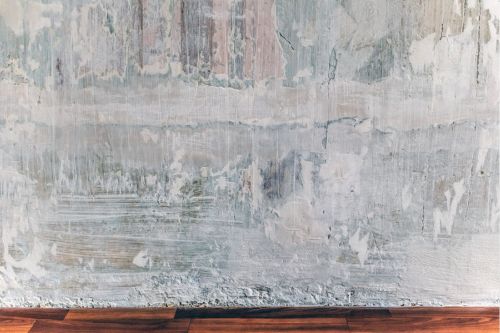
How to tell if a wall needs priming before painting
Finding a crack in a façade just when we are thinking about repainting it raises a logical question: is it enough to fill it and paint over it, or does something else need to be done? The answer depends on the type of fissure, what caused it and, above all, whether it…
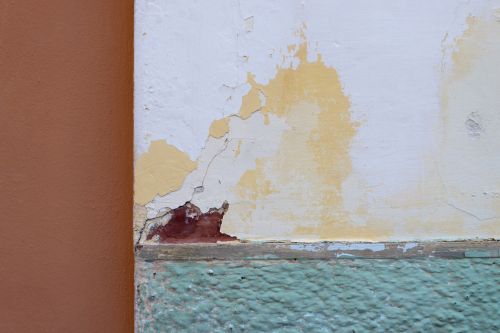
Silicate paint: what it is and when to use it on façades and older properties
Finding a crack in a façade just when we are thinking about repainting it raises a logical question: is it enough to fill it and paint over it, or does something else need to be done? The answer depends on the type of fissure, what caused it and, above all, whether it…
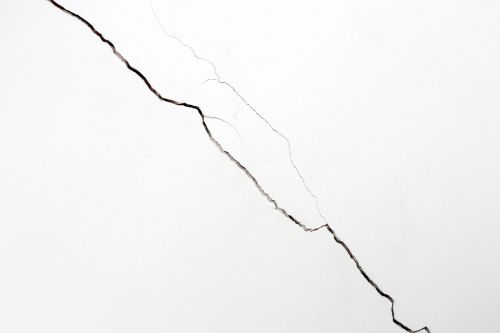
Cracks and fissures in façades: what to repair before repainting
Finding a crack in a façade just when we are thinking about repainting it raises a logical question: is it enough to fill it and paint over it, or does something else need to be done? The answer depends on the type of crack, what caused it and, above all, whether it…