
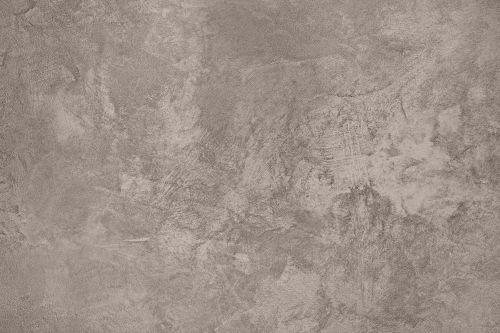
Painting the facade of a house not only improves its aesthetic appearance, but also offers protection against the external elements. In this article, we guide you step-by-step on how to paint an exterior concrete facade, ensuring long-lasting and professional results. From surface preparation to choosing the right type of paint, we’ll cover all the essentials so you can renovate your home with confidence and efficiency.
Surface preparation
Initial cleaning
Before you start painting, it is crucial to thoroughly clean the concrete surface. This involves removing any dirt, dust or grease that may prevent the paint from adhering. You can use a stiff bristle brush along with a detergent and water solution to accomplish this task. For more stubborn stains, consider using a pressure washer that can facilitate the removal of embedded dirt without damaging the concrete.
Repairing imperfections
Once the surface is clean, it’s time to inspect and repair any visible cracks or damage. Use a putty or suitable repair cement to fill the cracks. Be sure to smooth out the putty and allow it to dry completely before proceeding. This stage is vital because a smooth surface ensures a much more even and attractive final finish.
Contact our professionals to paint your home
Choosing the right paint
Types of exterior paint
Not all paints are suitable for concrete facades. It is important to choose a paint that is specifically designed for exteriors and is able to withstand adverse weather conditions. Acrylic latex exterior paints are an excellent choice, as they offer durability and good wear resistance. They also allow the concrete to “breathe”, releasing trapped moisture and preventing mould and mildew problems.
Colour and finish considerations
Paint colour and finish can completely transform the appearance of your home. Light colours can make the facade look larger and more refreshing, while dark colours offer a touch of elegance and depth. Also, think about the finish; matte finishes hide imperfections better, while satin or gloss finishes can be easier to clean.
Applying paint
Using the right tools
To apply paint, you will need suitable tools such as high-quality rollers, brushes and, for hard-to-reach areas, a paint spray gun. Rollers are ideal for covering large surfaces evenly, while brushes are perfect for details and corners. If you decide to use a paint spray gun, be sure to practice first to get an even application.
Effective painting techniques
When painting, start at the top of the facade and work downwards to avoid drips. Apply at least two coats of paint, allowing each coat to dry completely before applying the next. This not only increases opacity and colour, but also prolongs the life of the paint. Also, paint on dry weather days and avoid painting directly in the sun, as this can cause the paint to dry too quickly and unevenly.
Other publications that may interest you
How to tell if a wall needs priming before painting
Finding a crack in a façade just when we are thinking about repainting it raises a logical question: is it enough to fill it and paint over it, or does something else need to be done? The answer depends on the type of fissure, what caused it and, above all, whether it…
Silicate paint: what it is and when to use it on façades and older properties
Finding a crack in a façade just when we are thinking about repainting it raises a logical question: is it enough to fill it and paint over it, or does something else need to be done? The answer depends on the type of fissure, what caused it and, above all, whether it…
Cracks and fissures in façades: what to repair before repainting
Finding a crack in a façade just when we are thinking about repainting it raises a logical question: is it enough to fill it and paint over it, or does something else need to be done? The answer depends on the type of crack, what caused it and, above all, whether it…