

Living near the sea in areas such as Jávea or Denia means choosing painting materials carefully. Not all paints withstand humidity, salt air, intense sun or sea wind in the same way. A poor choice can lead to colour loss, flaking, stains, mould, rust or leaks sooner than expected.
That is why, when painting a coastal home, you should not think only about the colour. The most important decision is to choose the right paint system for each surface: façade, walls, wood, railings, balustrades, terraces or interiors with damp problems.
At Bartolomé Bas Pintores, a decorative painting company founded in 1984 and based in Jávea/Xàbia, we work on homes in Jávea, Denia, Moraira and the surrounding areas, selecting materials according to the real condition of each surface and the specific conditions of the Costa Blanca.
If you need guidance before painting, you can request our personalised paint advice service.
Get in touch with our experts
1. There is no single ideal paint for the whole house
A house near the sea combines very different surfaces. The façade needs to withstand sun and humidity; railings require protection against rust; wood needs a treatment that protects it without suffocating it; and terraces may need waterproofing systems.
That is why, when someone asks what paint to use in a house near the sea, the right answer is not a single brand or one specific product. The important thing is to choose the right material according to:
- The type of surface.
- Sun exposure.
- The presence of humidity.
- Proximity to the sea.
- The previous condition of the paint.
- The presence of cracks, rust or leaks.
- The desired aesthetic finish.
In coastal homes, the most common mistake is applying the same paint everywhere. This may look good at first, but it usually reduces the durability of the work.
2. Comparison table: which material to use depending on the surface
| Area of the home | Recommended material | When to use it | Main advantage |
|---|---|---|---|
| Façades exposed to the sun | High-quality exterior acrylic paint | Façades in good condition with sun exposure | Good exterior resistance and a variety of finishes |
| Façades with ambient humidity | Siloxane or breathable paint | Surfaces that need to release water vapour | Allows the wall to breathe and reduces problems caused by trapped humidity |
| Façades with microcracks | Elastic coating | Walls with small non-structural cracks | Adapts to slight movement in the surface |
| Mineral or older walls | Mineral paint | Compatible mineral surfaces | High breathability and good integration with the surface |
| Interiors with condensation | Anti-mould or antibacterial paint | Bathrooms, kitchens, poorly ventilated rooms | Helps prevent superficial mould stains |
| Railings and balustrades | Anti-rust primer + exterior enamel | Iron or metal exposed to salt air | Protects against oxidation |
| Wooden doors, windows and beams | Wood stain, varnish or exterior protector | Wood exposed to sun and humidity | Protects the wood and improves durability |
| Terraces and roofs | Waterproofing system | Areas at risk of leaks | Helps prevent water ingress |
| Walls near a swimming pool or garden | Resistant and breathable exterior paint | Areas with humidity from irrigation or splashing | Improves resistance to environmental wear |
This table is intended as an initial guide. The final choice should always be made after inspecting the surface, because the same façade may need repair, cleaning, primer or previous treatment before painting.
3. Exterior acrylic paint: a versatile option for sunny façades
High-quality exterior acrylic paint is one of the most common options for façades in good condition. It offers good coverage, a wide range of colours and resistance to weather conditions.
In areas such as Jávea and Denia, it can work well on façades exposed to the sun, provided the surface is clean, dry and properly prepared. However, not all acrylic paints are the same. In coastal homes, it is advisable to choose specific exterior products with good resistance to solar radiation and ambient humidity.
This type of paint may be recommended for façades without serious damp problems, exterior walls and surfaces where a long-lasting decorative finish is desired.
If the façade is damaged or has flaking paint, you can consider a specific project with our façade painters in Jávea and the Costa Blanca.
4. Siloxane and breathable paints: useful against ambient humidity
In a home near the sea, breathability is key. Paint that is not sufficiently breathable can trap moisture inside the wall and encourage stains, blisters or peeling.
Siloxane or highly breathable paints are often interesting for façades exposed to ambient humidity, walls that need to breathe or homes where greater protection is required without completely blocking the surface.
Their main advantage is that they help repel rainwater from the outside while allowing water vapour to escape from inside the wall. That is why they can be a suitable option for many coastal façades.
When there are already damp stains, peeling paint or a mouldy smell, it is advisable to first check the origin of the problem with a specialised damp removal service for walls and homes.
5. Elastic coatings: protection for façades with microcracks
Some façades have small cracks caused by expansion, temperature changes or ageing of the surface. In these cases, an elastic coating can be a suitable solution if the cracks are superficial and non-structural.
This type of material helps cover small microcracks and provides a more flexible protective layer than conventional paint. It is especially useful on façades exposed to the sun, where temperature changes can cause slight movement in the surface.
However, an elastic coating should not be used to hide major problems. If there are active cracks, leaks or internal damp, the cause must be repaired first.
For more complete interventions, it is advisable to review our façade work and exterior renovation.
6. Mineral paints: an option for surfaces that need to breathe
Mineral paints can be a good alternative on certain surfaces, especially when high breathability and good compatibility with mineral substrates are required.
They are not the solution for every case, but they can work well on older façades, mineral walls or surfaces where a coating that is too closed should be avoided. In coastal areas, this breathability can be very useful if the surface tends to accumulate humidity.
The key is to check whether the surface is compatible. Applying mineral paint to an unsuitable surface can cause adhesion or finish problems.
At Bartolomé Bas Pintores, we provide technical advice on materials, including antibacterial, ecological, mineral and smart paints, selecting the product according to the real needs of each home.
7. Anti-mould paints: support for interiors with condensation
Anti-mould or antibacterial paints can be useful in interiors prone to condensation, such as bathrooms, kitchens, basements, laundry rooms or poorly ventilated rooms.
However, it is important to understand that anti-mould paint does not solve a damp problem on its own. If there is a leak, rising damp or persistent condensation, the cause must be treated before painting.
The United States Environmental Protection Agency states that moisture control is the key to controlling indoor mould, so paint should be part of a broader solution when stains keep coming back. EPA guide on mould and moisture
In coastal homes that remain closed for weeks or months, proper ventilation and choosing suitable paints for damp rooms can make a big difference.
8. Anti-rust enamels for railings, balustrades and enclosures
Metal is one of the materials that suffers most near the sea. Salt air and humidity accelerate the appearance of rust, especially on railings, balustrades, gates and exterior enclosures.
In these cases, the correct system usually includes cleaning, rust removal, sanding, anti-rust primer and the application of a suitable exterior enamel.
Painting directly over visible rust is a common mistake. It may improve the appearance for a short time, but corrosion will continue to advance underneath the paint.
If your home has exposed metal elements, you can consult our metal enclosure treatment service.
9. Wood stains and protectors for exterior wood
Exterior wood needs a different treatment from a façade or railing. Wooden doors, windows, beams, pergolas and shutters are exposed to sun, humidity and salt air.
Wood stains are often a good option when you want to protect the wood while maintaining its natural appearance and allowing a certain degree of breathability. Varnishes can provide more closed and decorative finishes, but they require proper preparation and periodic maintenance.
The important thing is to prevent the wood from being left unprotected. When it dries out, cracks or loses its protective layer, deterioration progresses faster.
For this type of work, you can consult our exterior wood treatment service.
10. Waterproofing systems for terraces and roofs
Terraces and roofs need specific materials. They should not be treated as just another exterior wall because they are exposed to rain, sun, foot traffic, water accumulation and constant temperature changes.
Waterproofing systems can help prevent leaks, but they only work correctly if they are applied to a clean, dry, firm and properly prepared surface. Joints, junctions, drains and slopes must also be taken into account.
If there are cracks, leaks or damp stains on lower ceilings, the surface should be inspected before applying any product.
In these cases, the most suitable option is to assess a professional terrace waterproofing service.
11. How to choose the right material without making mistakes
To choose the right paint or treatment for a house near the sea, it is advisable to ask these questions before starting:
- Is the surface exterior or interior?
- Does it receive many hours of direct sunlight?
- Does it have damp, mould or stains?
- Are there cracks or microcracks?
- Is it a façade, wood, metal or terrace?
- Does the surface need to breathe?
- Is there old paint with poor adhesion?
- Does the home remain closed for part of the year?
Answering these questions helps avoid mistakes and choose a more durable system.
In many cases, the best solution is not the most expensive product, but the most suitable one for the specific surface. That is why a prior diagnosis can save premature repainting and unnecessary repairs.
12. Practical summary: which materials withstand coastal conditions best
In houses near the sea in areas such as Jávea and Denia, the materials that work best are those that combine exterior resistance, breathability and compatibility with each surface.
For sunny façades, high-quality exterior acrylic paints usually work well. For walls with ambient humidity, siloxane, breathable or mineral paints should be considered. For façades with microcracks, an elastic coating can be useful. For interiors with condensation, anti-mould paints can help if humidity is controlled. For metal, it is essential to use anti-rust primer and exterior enamel. For wood, specific wood stains or protectors are recommended. And for terraces, suitable waterproofing systems should be used.
At Bartolomé Bas Pintores, we can inspect your home in Jávea, Denia, Moraira or the surrounding areas and recommend the most suitable system for each area.
Request professional advice and protect your house near the sea with materials designed to withstand the Costa Blanca climate.
Frequently asked questions
What paint withstands coastal conditions best?
It depends on the surface. For façades, exterior acrylic, siloxane, mineral paints or elastic coatings may work well. For metal, anti-rust systems are needed, and for wood, specific exterior protectors should be used.
What paint should be used for façades affected by salt air?
It is advisable to use resistant, breathable exterior paints that are compatible with the surface. Before painting, it is important to clean the surface thoroughly and remove salt residue, dust or poorly adhered paint.
Is siloxane paint good for coastal areas?
It can be a good option for many coastal façades because it helps repel exterior water and allows water vapour to escape from the surface. Even so, it must be chosen according to the real condition of the wall.
What paint should be used in interiors with damp?
In interiors with condensation, anti-mould or antibacterial paints can be used, but the cause of the humidity must be controlled first. If there is a leak or rising damp, paint alone will not solve the problem.
How can iron be protected near the sea?
Iron should be cleaned, sanded, treated with anti-rust primer if necessary and finished with a suitable exterior enamel. Painting directly over rust is not recommended.
Which is better for exterior wood: wood stain or varnish?
It depends on the finish and the type of exposure. Wood stain usually allows the wood to breathe better and maintains a more natural appearance. Varnish can provide a more closed finish, but it requires good preparation and maintenance.
Can the same paint be used for façades, metal and wood?
No. Each surface needs a different product. A façade, a railing, a wooden door and a terrace all have different requirements.

Bartolomé Bas
Professional painter in Jávea since 1984, specialising in decorative painting, waterproofing, renovations and damp treatment. Founder of Bartolomé Bas Pinturas. More than 35 years of experience transforming homes and commercial premises on the Costa Blanca.
Professional networks:
Other articles you might find interesting
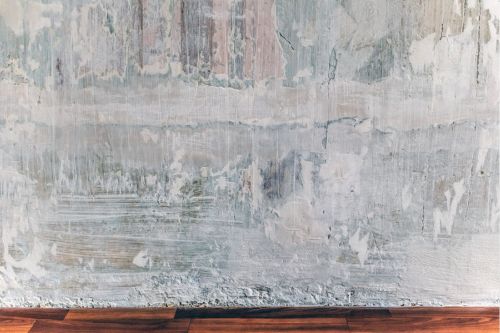
How to tell if a wall needs priming before painting
Finding a crack in a façade just when we are thinking about repainting it raises a logical question: is it enough to fill it and paint over it, or does something else need to be done? The answer depends on the type of fissure, what caused it and, above all, whether it…
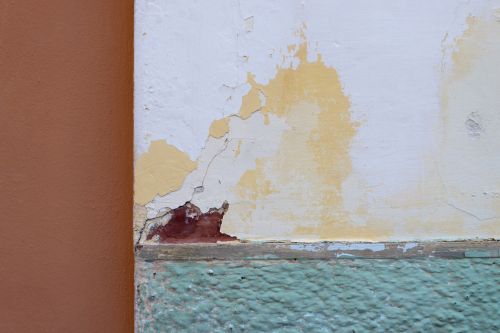
Silicate paint: what it is and when to use it on façades and older properties
Finding a crack in a façade just when we are thinking about repainting it raises a logical question: is it enough to fill it and paint over it, or does something else need to be done? The answer depends on the type of fissure, what caused it and, above all, whether it…
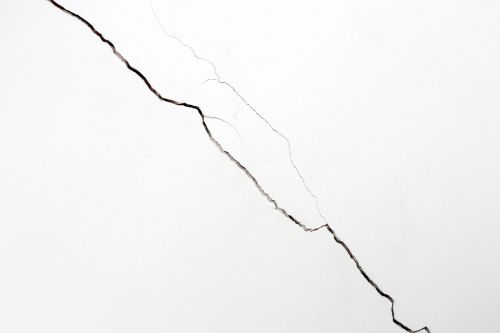
Cracks and fissures in façades: what to repair before repainting
Finding a crack in a façade just when we are thinking about repainting it raises a logical question: is it enough to fill it and paint over it, or does something else need to be done? The answer depends on the type of crack, what caused it and, above all, whether it…