
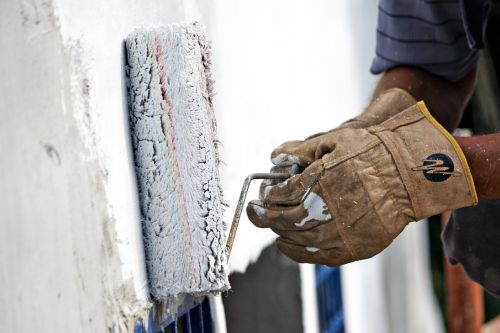
A façade does not only define the exterior appearance of a home. It also protects the building against rain, sun, humidity, wind, salt air and temperature changes. That is why, when cracks, flaking, stains or areas with peeling paint appear, applying a new coat of paint is not always enough.
In many cases, these symptoms indicate that the façade needs professional renovation: inspection of the surface, cleaning, repair, damp treatment, crack sealing, primer and the application of a suitable exterior system.
At Bartolomé Bas Pintores, a decorative painting company founded in 1984 and based in Jávea/Xàbia, we work on homes in Jávea, Denia, Moraira and the surrounding areas, offering painting, façade renovation, damp treatment, wood treatment, metal enclosure treatment and waterproofing services.
If your façade already shows visible deterioration, you can view our façade work and exterior renovation service or request an assessment through the Bartolomé Bas Pintores contact page.
Get in touch with our experts
Quick diagnosis: when a façade needs more than just paint
Before choosing a colour or finish, it is important to look at the real condition of the façade. Some signs indicate surface wear, while others may point to a deeper problem.
A façade may need professional renovation when it shows:
- Visible cracks or repeated fissures.
- Peeling, flaking or blistering paint.
- Damp stains, mould or green algae.
- Sandy areas or surfaces that crumble when touched.
- Salt deposits or whitish stains.
- Loss of adhesion in old paint layers.
- Leaks into the interior.
- Hollow or detached coatings.
- Rust on metal elements integrated into the façade.
- Deterioration around windows, balconies, cornices or plinths.
The Spanish Technical Building Code, in its Basic Document on Health, includes protection against moisture as a basic requirement to limit the inappropriate presence of water or damp in buildings and enclosures. That is why, when a façade shows leaks or persistent damp, it should not be treated only as an aesthetic problem.
Symptom traffic light: mild, moderate and urgent signs
Not all signs have the same level of seriousness. Some can be solved with professional maintenance and painting; others require repairing the surface before applying any finish.
| Level | Visible sign | What it may indicate | Recommended action |
|---|---|---|---|
| Green | Even colour loss | Normal wear from sun and weather | Cleaning, primer and suitable exterior paint |
| Green | Surface dirt | Dust, pollution or rain | Cleaning before painting |
| Yellow | Localised flaking | Poor adhesion or aged paint | Remove loose layers and prepare the surface |
| Yellow | Microcracks | Expansion or ageing of the coating | Seal and use a flexible system if appropriate |
| Yellow | Damp stains | Leakage, condensation or damp surface | Diagnosis before painting |
| Red | Open or repeated cracks | Movement of the surface or active cracks | Professional inspection and repair |
| Red | Blistering paint | Trapped moisture or poor adhesion | Remove, dry, treat and rebuild the system |
| Red | Hollow or detached coating | Loss of cohesion in the surface | Renovation before painting |
| Red | Interior leaks | Water ingress through the façade or junctions | Urgent professional intervention |
| Red | Rust staining the façade | Corrosion of metal elements | Anti-rust treatment and repair |
This table is intended as a guide, but the final decision should be made after inspecting the façade. Two homes may show similar symptoms and still need different solutions.
1. Visible cracks in the façade
Cracks are one of the clearest signs that a façade needs professional attention. Not all cracks have the same importance, but none should be ignored.
Superficial microcracks may appear due to expansion, temperature changes or ageing paint. By contrast, wider, deeper or repeated cracks may indicate movement in the surface, problems with the coating or water ingress.
Before painting, it is necessary to check whether the crack is active, whether it crosses the coating or whether it allows moisture to enter. Painting directly over it may hide the problem for a while, but it does not solve it.
In these cases, it is advisable to assess a specific intervention within façade renovation work.
2. Peeling, flaking or blistering paint
When paint lifts, cracks or forms blisters, there is usually an adhesion problem. It may be caused by old paint that was poorly applied, lack of primer, internal damp, a dirty surface or unsuitable materials.
On coastal façades, such as those in Jávea, Denia or Moraira, salt air and ambient humidity can accelerate this deterioration. If you paint over it without removing the faulty layers, the new finish will also end up failing.
The solution usually involves scraping off loose areas, cleaning, checking for moisture, consolidating the surface if necessary and applying a system compatible with the façade.
If the problem affects several areas, it is advisable to contact façade painters in Jávea and the Costa Blanca to inspect the general condition of the surface.
3. Damp stains, mould or green algae
Dark, greenish or yellowish stains may indicate persistent damp, lack of ventilation, leaks or water accumulation in specific areas.
On a façade, moisture can enter through cracks, poorly sealed joints, junctions with terraces, damaged sills, plinths, balconies or roofs. That is why, before painting, the source must be located.
Applying paint over a damp stain without solving the cause can make the problem reappear very quickly. In addition, damp can affect both the exterior and interior of the home.
When stains keep coming back, it is better to assess a damp removal service for walls and homes before repainting the façade.
4. Salt deposits or white stains on the surface
Whitish stains are often related to salts that migrate towards the surface of the coating. In coastal areas, the marine environment and humidity can encourage the appearance of these marks.
Salt deposits should not be covered without previous preparation. First, the surface must be cleaned thoroughly, any active moisture checked and a breathable system compatible with the surface chosen.
If it is not treated correctly, the paint may lose adhesion, surface powder may appear or the coating may lift over time.
5. Sandy areas or surfaces that crumble when touched
If dust, sand or material residue remains on your hand after touching the façade, there may be a loss of cohesion in the surface. This means the surface is not ready to receive paint directly.
In these cases, painting over it is a mistake. The new paint will adhere to a weak layer and may come off.
The solution may include cleaning, removing loose parts, consolidating the surface, applying primer and using suitable paint. This step is especially important on old façades or those highly exposed to the sun.
6. Hollow, bulging or detached coating
When the coating sounds hollow when tapped gently, shows bulges or comes off in sheets, the façade needs a deeper repair.
This symptom may indicate that the coating has lost adhesion to the surface. If paint is applied over it, the problem will continue to advance and may eventually lead to detachments.
In this case, the renovation must first focus on making the surface sound, removing defective areas and rebuilding the base before painting.
7. Leaks into the interior of the home
If stains appear on interior walls after rain, there is a damp smell or interior paint lifts next to an exterior façade, there may be a leak.
Leaks are an important warning sign because they indicate that the façade is no longer properly fulfilling its protective function. Water can enter through cracks, joints, junctions with terraces, carpentry or poorly sealed areas.
In these cases, simply painting the façade from the outside is not advisable. The water entry point must be located and the appropriate solution applied.
If the origin is related to terraces, junctions or areas exposed to water, it may also be necessary to assess a professional terrace waterproofing service.
8. Deterioration in plinths, balconies, cornices and windows
Some areas of the façade deteriorate earlier than others. Plinths receive ground moisture and rain splashes. Balconies and cornices are highly exposed to water. Window frames may suffer leaks if the joints are damaged.
These points are important because many building defects start in small areas and then spread to the rest of the façade.
During a professional inspection, it is especially important to analyse:
- Plinths and façade bases.
- Junctions with terraces and roofs.
- Window and door frames.
- Balconies, cornices and overhangs.
- Joints and sealing.
- Drainpipes and areas with water runoff.
9. Rust on railings, balustrades or metal elements
Rust does not only affect the appearance of a home. It can also stain the façade and damage metal elements integrated into it.
In areas close to the sea, salt air accelerates corrosion on railings, balustrades, gates and enclosures. If rust advances, it can cause stains, loss of protection and deterioration of the metal.
The solution is not to paint directly over it. It is necessary to clean, sand, remove the rust, apply anti-rust primer where appropriate and finish with a suitable exterior enamel.
For this type of work, you can consult our metal enclosure treatment service.
10. Aged façade after several layers of paint
A façade that has received many layers of paint over the years may start to show adhesion problems, irregular thicknesses, defective textures or areas with poorly fixed paint.
In these cases, adding another layer is not always the best solution. First, it is advisable to check which layers are well adhered, which should be removed and which system should be applied.
Professional renovation makes it possible to restore the façade and prepare the surface so that the new paint has better durability.
Checklist: inspect your façade in 10 minutes
Before requesting a quote, you can carry out a simple visual inspection. It does not replace a professional assessment, but it helps detect important signs.
Tick the signs you observe:
- Are there visible cracks?
- Is the paint peeling or blistering?
- Are there damp stains, mould or green algae?
- Are white salt stains appearing?
- Does the wall release dust when touched?
- Are there hollow, bulging or detached areas?
- Do interior stains appear after rain?
- Are plinths, cornices or window frames damaged?
- Is there rust on railings or balustrades?
- Does the façade have many old layers of paint?
If you have ticked one or two mild signs, professional maintenance may be enough. If you have ticked several yellow signs or any red sign, it is advisable to request an inspection before painting.
When painting is enough and when renovation is needed
Not all damaged façades need complete renovation. Sometimes, cleaning, repairing small areas and applying suitable exterior paint is enough. But in other cases, painting without renovation only hides the problem for a few months.
| Situation | Is painting enough? | Recommended action |
|---|---|---|
| Dull colour but firm surface | Yes, normally | Cleaning, primer and exterior paint |
| Surface dirt | Yes | Cleaning and suitable finish |
| Small isolated flaking areas | It depends | Repair loose areas before painting |
| Microcracks | It depends | Sealing and compatible paint |
| Recurring damp | No | Diagnose and treat the cause |
| Hollow coating | No | Repair and restore the surface |
| Interior leaks | No | Locate water ingress and intervene |
| Advanced rust | Not paint alone | Previous anti-rust treatment |
| Highly degraded façade | No | Professional renovation |
Summary: how to know if your façade needs renovation
A façade needs professional renovation when it shows signs that go beyond aesthetic wear: cracks, damp, peeling paint, salt deposits, sandy areas, hollow coating, leaks or rust.
If the façade has only lost colour, proper preparation and suitable exterior paint may be enough. But if there is damp, detachment or active cracks, the surface must first be repaired and the cause of the problem solved.
At Bartolomé Bas Pintores, we can inspect the condition of your façade in Jávea, Denia, Moraira and the surrounding areas, assess whether it needs painting, repair or renovation, and recommend the most suitable system to protect your home.
Request a professional inspection of your façade and prevent a small problem from turning into a larger repair.
Frequently asked questions
How do I know if a façade needs renovation?
A façade may need renovation when it has cracks, peeling paint, damp, salt deposits, detachments, hollow areas, leaks or loss of cohesion in the surface.
When is painting a façade enough?
Painting may be enough if the façade only has colour loss, surface dirt or mild wear, provided the surface is firm, dry and well adhered.
Can a façade with cracks be painted?
It depends on the type of crack. Microcracks can be sealed before painting, but open, deep or repeated cracks should be inspected to rule out more serious problems.
What happens if I paint a damp façade?
If paint is applied over damp without treating the cause, the paint may lift, blister, stain or detach. First, the origin of the damp must be identified and resolved.
What does it mean when a façade releases dust?
It may indicate loss of cohesion in the surface or degraded paint. In that case, the surface must be cleaned, repaired and treated with a suitable primer or treatment before painting.
Can salt deposits lift paint?
Yes. Salt deposits and humidity can affect paint adhesion and cause stains, surface powder or flaking if the surface is not properly prepared.
When should I request a professional façade inspection?
It is advisable to request an inspection if there are cracks, damp stains, peeling paint, interior leaks, hollow areas, rust or visible deterioration in several parts of the façade.

Bartolomé Bas
Professional painter in Jávea since 1984, specialising in decorative painting, waterproofing, renovations and damp treatment. Founder of Bartolomé Bas Pinturas. More than 35 years of experience transforming homes and commercial premises on the Costa Blanca.
Professional networks:
Other articles you might find interesting
What is the flaking of a façade and why does dust appear when you touch the paint?
After several weeks of rain, it is advisable to inspect the property, even if no obvious leaks have appeared. Water can enter through a deteriorated joint, a crack in the façade, a poorly sealed junction or a faulty drain. In many cases, the first sign is not a leak,…
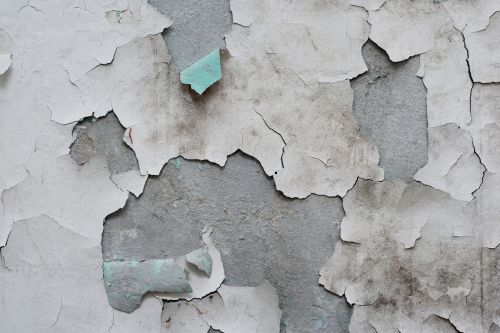
Why does paint flake off a façade and how can this be properly rectified?
After several weeks of rain, it is advisable to inspect the property, even if no obvious leaks have appeared. Water can enter through a deteriorated joint, a crack in the façade, a poorly sealed junction or a faulty drain. In many cases, the first sign is not a leak,…

What to check after the rainy season: damp, façades, terraces and external walls
After several weeks of rain, it is advisable to inspect the property, even if no obvious leaks have appeared. Water can enter through a deteriorated joint, a crack in the façade, a poorly sealed junction or a faulty drain outlet. In many cases, the first sign is not a…