
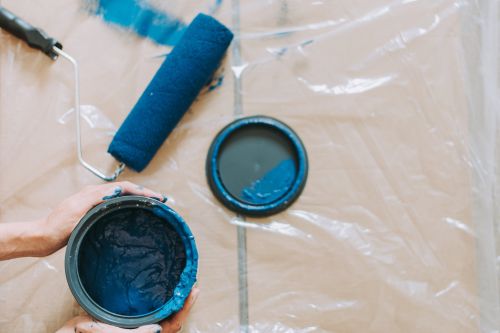
When faced with a painting project, one of the most common questions is whether it is necessary to thin the plastic paint with water before applying it. The answer depends on several factors, such as the quality of the paint, the type of surface, and the environmental conditions. In this article, we will explain when and how you should add water to plastic paint to get the best results.
What is plastic paint?
Plastic paint, also known as acrylic paint, is a type of water-based paint that is commonly used in interiors and exteriors due to its versatility, durability and ease of application. It is composed of a base of acrylic resins, pigments and water as a thinner.
Advantages of plastic paint:
- Easy to clean: As it is water soluble, it can be easily cleaned while fresh.
- Fast drying: This type of paint tends to dry faster than oil paints.
- Low odour: It has less odour compared to other paints, which makes it ideal for interiors.
Contact our professionals to paint the walls of your home
When is it necessary to thin plastic paint?
Thinning plastic paint may be necessary in various situations, but it is not always a mandatory step. Here we explain when you should consider adding water.
1. Roller or spray application
- If you are using a roller, the paint may need to be thinned slightly to make it easier to apply and to achieve a smoother finish. If you’re using a sprayer, however, it’s almost essential to thin the paint, as most equipment requires a more liquid consistency to work properly.
2. Environmental conditions
- In hot or dry climates, paint may thicken due to the rapid evaporation of water. In this case, adding water can help maintain the fluidity needed for an even application, especially if you are painting large surfaces, such as on an exterior project.
3. Porous or highly absorbent surfaces
- When painting porous surfaces, such as plaster or brick, thinning the plastic paint with water in the first coat (also called primer) can help it adhere better to the surface. Subsequent coats can then be applied undiluted to achieve full coverage. This is especially relevant for decorative projects, where a precise finish is desired.
How to thin plastic paint correctly?
If you decide it is necessary to thin the paint, it is important to do it correctly to avoid coverage or adhesion problems. Here are the basic steps:
1. Read the manufacturer’s instructions
- Always check the product label, as some manufacturers recommend a specific ratio of water to thin the paint. This is crucial to ensure that the properties of the paint are not compromised, especially in humid environments.
2. Recommended ratios
- A common dilution is to mix 10% water per litre of paint. That is, for every 10 litres of paint, you can add approximately 1 litre of water. However, this ratio may vary depending on the needs of the project and the type of surface you are painting.
3. Mix well
- After adding the water, mix the paint thoroughly with a paddle stirrer or mechanical mixer to ensure that the water is fully integrated and the paint maintains its uniform consistency. This is vital in applications where uniformity is key to a durable finish.
Benefits and disadvantages of thinning plastic paint.
Benefits:
- Ease of application: When thinned, the paint can be spread more easily, which can be advantageous when covering large surfaces.
- Reduces brush or roller marks: More liquid paint tends to leave a smoother, less streaky finish, ideal for a professional finish.
Disadvantages:
- Reduced coverage: By adding water, the paint may lose hiding power, which may require more coats to achieve a uniform finish.
- Compromised durability: If over-thinned, the paint may lose its durability and wear resistance properties, which is critical for exterior projects.
Other publications that may interest you
How to tell if a wall needs priming before painting
Finding a crack in a façade just when we are thinking about repainting it raises a logical question: is it enough to fill it and paint over it, or does something else need to be done? The answer depends on the type of fissure, what caused it and, above all, whether it…
Silicate paint: what it is and when to use it on façades and older properties
Finding a crack in a façade just when we are thinking about repainting it raises a logical question: is it enough to fill it and paint over it, or does something else need to be done? The answer depends on the type of fissure, what caused it and, above all, whether it…
Cracks and fissures in façades: what to repair before repainting
Finding a crack in a façade just when we are thinking about repainting it raises a logical question: is it enough to fill it and paint over it, or does something else need to be done? The answer depends on the type of crack, what caused it and, above all, whether it…