


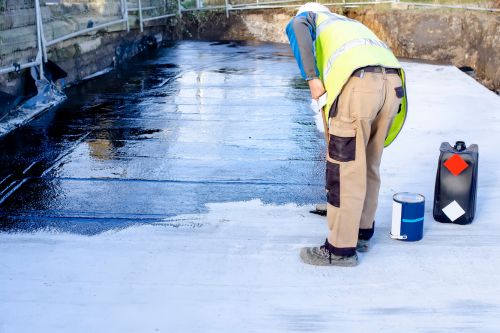
Waterproofing a terrace on the Costa Blanca is not the same as doing so inland. The intense sun, high humidity, sporadic but heavy rainfall, salt spray and temperature fluctuations can accelerate the deterioration of materials and cause a small leak to eventually affect ceilings, interior walls or façades.
The problem is that many terraces are only repaired once a visible leak appears. However, before the water reaches the interior, there are usually already signs: deteriorated joints, cracks, peeling paint, soft patches, stains on the ceiling below or a loss of slope towards the drains.
At Bartolomé Bas Pintores, we specialise in painting, renovation and waterproofing solutions in Jávea, Denia, Moraira and the surrounding areas, with experience in properties exposed to the Mediterranean climate and the humidity typical of coastal areas.
Get in touch with our experts
Why do so many roof waterproofing systems fail?
A terrace is an area that is exposed to the elements all year round. It is exposed to sun, rain, damp, foot traffic, plant pots, furniture, cleaning products and, in many coastal homes, salty air as well.
When the waterproofing is not suited to the actual condition of the terrace, the system can fail within a short time. This is not always down to the product used; often the problem lies in the preparation, in specific areas, or in applying a quick fix to a substrate that was already damaged.
In Spain, the Technical Building Code addresses protection against damp in DB HS 1, with the aim of limiting the undesirable presence of water or damp in buildings and building envelopes caused by rainfall, runoff, ground moisture or condensation. For this reason, a terrace should be regarded as part of the overall protection of the dwelling, not merely as a decorative outdoor space. You can consult the official document on protection against damp in the Technical Building Code.
If there are already leaks or you are unsure about the most suitable system, it is advisable to consider a professional terrace waterproofing service in Jávea.
Mistake 1: Waterproofing without knowing where the water is coming in from
One of the most common mistakes is to apply a waterproofing product to the entire terrace without identifying the actual source of the leak.
Water can enter through many areas:
- Cracks in the flooring.
- Open joints.
- Joints with walls.
- Poorly sealed drains.
- Damaged skirting boards.
- Cracks in parapets or walls.
- Poorly constructed slopes.
- Peeling old layers of paint.
If these points are not checked, the terrace may appear to have been repaired for a few weeks, but the damp will return. Once the water ingress has already affected the interior walls, it is also advisable to check for any damp problems in the walls.
Mistake 2: applying waterproofing to a dirty or damp surface
No system will work properly if applied over dust, grease, mould, loose paint or trapped moisture.
Before waterproofing, the terrace must be clean, dry and stable. In some cases, poorly adhered previous layers must be removed, soft areas repaired and the substrate allowed to dry properly.
Applying the product to a substrate in poor condition can cause blisters, cracks, poor adhesion and premature leaks. This is one of the reasons why many ‘quick’ repairs last less than expected.
Mistake 3: choosing a product based solely on price
When it comes to waterproofing, the cheapest product isn’t always the most cost-effective in the long run. A terrace that gets a lot of sun, heavy footfall or is exposed to sea air needs a durable system that is compatible with the substrate.
Waterproofing is not the same thing:
- A rarely used roof.
- A small balcony.
- A terrace above a lived-in property.
- A surface with ceramic tiling.
- A porous cementitious substrate.
- A terrace with active cracks.
In homes on the Costa Blanca, it is also advisable to consider UV resistance, elasticity, adhesion and the system’s ability to withstand temperature changes. To make the right choice, it may be helpful to seek personalised advice on paints.
Mistake 4: failing to reinforce joints, corners and intersections
Leaks do not always appear in the centre of the terrace. They often originate at points where water finds an easy way in.
The most delicate ones are:
- Joints between floor and wall.
- Skirting boards.
- Drainage outlets.
- Corners.
- Expansion joints.
- Utility penetrations.
- Cracks next to parapets or walls.
These areas require special attention. On many terraces, a long-lasting solution involves not just applying a waterproofing layer, but properly reinforcing the critical areas.
If damp has also affected the facades or external walls, it may be advisable to combine the repairs with work on the facades.
Mistake 5: ignoring the slope and drainage
A properly waterproofed terrace also needs to drain water effectively. If puddles form regularly, the system will be subjected to greater pressure and wear and tear.
Standing water can accelerate the deterioration of joints, paintwork, coatings and connection points. Therefore, before applying any solution, you must check that the slope directs water towards the drains.
It is also advisable to check that the drains are not blocked, cracked or poorly sealed. New waterproofing over a faulty drain will still be at risk of leakage.
Mistake 6: Plugging the leak from the inside
When a stain appears on the ceiling or an interior wall, some people try to fix it by painting the affected area from the inside. This may improve the appearance temporarily, but it does not stop water from continuing to seep in from the terrace.
If the damp inside is caused by a leak from outside, you must first repair the source of the water ingress. Then, once the surface is dry, you can treat and paint the interior.
In such cases, a damp-proofing service for homes can help determine whether the problem originates from the terrace, the façade, condensation or some other cause.
Long-lasting solutions for waterproofing a terrace
The best solution depends on the condition of the terrace, how it is used and the type of support structure. There is no single system that works for every situation.
Liquid waterproofing
This is a common choice when aiming to create a continuous membrane across the surface. It can be useful on terraces with irregular shapes, complex junctions or areas where it is desirable to avoid joints.
For it to work effectively, it requires proper preparation, priming where necessary, and application at the correct thickness.
Elastic systems
They are suitable when the terrace has small cracks or moderate movement. Their elasticity helps to absorb expansion and contraction caused by temperature changes.
In coastal areas, where the sun can heat the surface significantly during the day and cool it down at night, this is particularly important.
Reinforcement of specific points
Even when using a good waterproofing product, junctions, corners, drains and joints must be treated with particular care. In many cases, these areas make the difference between a temporary fix and a lasting solution.
Prior repair of the bracket
If there are cracks, hollow areas, raised paving or loose old layers, these must be repaired before waterproofing. Applying the product to a weak surface does not solve the underlying problem.
Regular maintenance
A waterproofed terrace also needs to be inspected. After heavy rain, hot weather or long periods of disuse, it is advisable to check the condition of the joints, drains, skirting boards and exposed areas.
You can find more information in our article on how to waterproof a terrace without lifting the floor, especially if you’re looking for a less invasive solution.
What to consider before choosing a system
Before waterproofing, it is worth asking yourself the following questions:
- Does the terrace have any active leaks?
- Are there puddles after it rains?
- Is the paving firm?
- Are there any visible cracks?
- Do the drains work properly?
- Is the terrace above a lived-in property?
- Is it used daily or only occasionally?
- Are there any plant pots, furniture or items that retain moisture?
- Does the surface get a lot of sun?
- Is it near the sea?
These answers help you decide between a one-off repair, full waterproofing, reinforcing critical areas or more extensive renovation.
If the terrace is part of a property that also needs exterior renovation, it may be worth coordinating the work with façade painters in Jávea or with a full-service house painting company in Jávea.
Signs that it’s best not to wait any longer
There are cases where delaying repairs can make the problem more expensive to fix.
You should take action if the following occur:
- Leaks in the flat below.
- Brown or yellow stains on ceilings.
- Peeling interior paint.
- A musty smell.
- Cracks on the terrace.
- Gaps in the joints.
- Persistent puddles.
- Mould on nearby walls.
- Flaking on the façade beneath the terrace.
When damp gets inside, simply repainting isn’t enough. First, you need to stop the water from getting in, and then repair the damage inside. To ensure your walls are properly finished after the repairs, you can check out our interior painting service for homes.
Waterproofing on the Costa Blanca: practical advice
In areas such as Jávea, Denia, Moraira, Benitachell and Gata de Gorgos, it is worth bearing in mind a few local factors:
- Avoid applying products during periods of intense sunlight.
- Check terraces after heavy rain.
- Do not leave plant pots directly on waterproofed surfaces without protection.
- Keep drains clear.
- Check joints and seams once a year.
- Choose systems that are resistant to solar radiation and ambient humidity.
- Do not paint or waterproof over damp surfaces.
If the property has additional outdoor features, such as walls, railings, pergolas or pool coping, it may be advisable to also check the condition of metal fencing, the condition of exterior woodwork, or the repair and maintenance of pool coping.
Frequently asked questions about terrace waterproofing
Is it possible to waterproof a terrace without lifting the flooring?
Yes, in some cases it is possible to waterproof the floor without lifting the paving, provided that the substrate is firm, clean and free from serious damage. If there are loose tiles, significant leaks or poorly constructed slopes, more extensive work may be required.
How long does terrace waterproofing last?
This depends on the system used, the preparation of the substrate, exposure to sunlight, footfall and maintenance. Correct application and regular inspections help to extend the treatment’s lifespan.
What happens if I waterproof a damp terrace?
Adhesion may fail, or blisters, stains or flaking may occur. Before applying any system, the surface must be dry and properly prepared.
Why is water seeping in again after waterproofing?
This may be due to unreinforced joints, poorly sealed drains, active cracks, poor substrate preparation, insufficient product thickness or inadequate gradients.
When is the best time to waterproof a terrace on the Costa Blanca?
Ideally, this should be done in dry weather, when temperatures are moderate and there is no forecast of rain. It is also advisable to avoid the hottest part of the day to ensure the paint is applied and dries properly.
Do you need to have your terrace checked?
A leaking terrace won’t sort itself out. The sooner you identify the source of the problem, the easier it will be to prevent damage to ceilings, walls, façades and interior finishes.
At Bartolomé Bas Pintores, we can assess the condition of your terrace, check for problem areas and recommend a solution tailored to the use of your home and the climate of the Costa Blanca.
If you have leaks, damp patches or any concerns about the condition of your terrace, request a quote via the contact page on the Bartolomé Bas Pintores website or take a look at our painting, renovation and waterproofing services.

Bartolomé Bas
Professional painter in Jávea since 1984, specialising in decorative painting, waterproofing, renovations and damp treatment. Founder of Bartolomé Bas Pinturas. More than 35 years of experience transforming homes and business premises on the Costa Blanca.
Professional profiles:
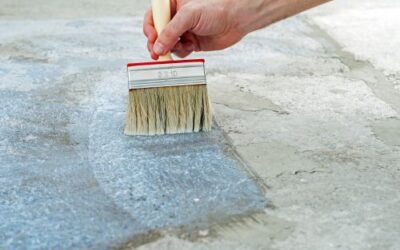
Exterior floor paint: what type to use and how to apply it correctly
Protecting an exterior floor - terrace, porch, garage or pedestrian access - is not just about aesthetics: it prevents cracks, leaks and premature wear and tear. Choosing the right exterior floor paint and applying it methodically ensures a durable and...

How to know if the humidity in your house is due to condensation, filtration or capillarity
The stain you see on the wall does not always have the same origin, and making a mistake when it comes to treating it can make the problem worse and make the repair more expensive. Below you will learn how to differentiate the three most frequent sources of damp and...
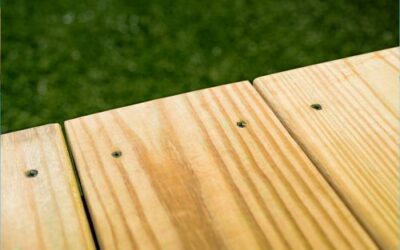
How often should I re-treat the exterior wood?
Wood that lives outdoors faces a relentless script: UV radiation that discolours, rain that swells the fibre, saltpetre that dries it out and fungus that sets in as the protective film ages. The result is visible to the naked eye: the original colour fades, fine...