
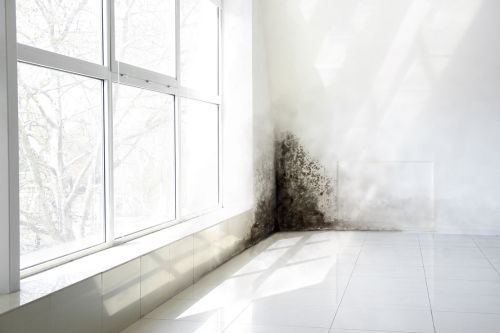
Spotting a damp patch on an interior wall usually raises the same question: can I just paint over it, or is there a more serious problem underlying it? The answer depends on the source of the damp, the condition of the surface, and whether the damage is a one-off or recurring.
In some situations, painting may be enough to restore the wall’s appearance. But when there are leaks, persistent condensation, mould or peeling paint, applying a new coat without addressing the cause merely masks the problem for a while.
At Bartolomé Bas Pintores, we have been working since 1984 on painting, renovation and damp treatment in homes in Jávea, Denia, Moraira and the surrounding area, where ambient humidity and proximity to the sea mean that these kinds of problems are particularly common.
Get in touch with our experts
The key question: is the damp problem still ongoing or has it been resolved?
Before choosing a paint, primer or treatment, it is important to distinguish between old damp and active damp.
An old damp patch is a mark that appeared due to a one-off problem that has since been resolved: a small leak that has been repaired, a seepage issue that has been fixed, or a room that was poorly ventilated for a period of time. In such cases, if the wall is dry and stable, it may be sufficient simply to prepare the surface and paint it properly.
Active damp, on the other hand, continues to cause damage. This can be seen in spreading stains, blistering paint, a musty smell, mould reappearing, or areas that feel cold and damp to the touch. In such cases, painting over the affected area is not recommended. You must first identify the source of the problem and apply a suitable treatment.
If you are unsure, it is best to investigate the cause before painting. For persistent problems, it is advisable to consider a professional damp-proofing service for homes.
Situations where a coat of paint may be sufficient
Painting may be sufficient if the wall is not affected by active damp and the problem was a one-off. Even so, you should not apply paint directly to the stain without first preparing the surface.
A dry stain left after a leak has been repaired
If there was a leak, it has been properly repaired and the wall has dried out completely, it may be sufficient to clean the area, sand it down, apply a sealing primer if any marks remain, and finish with a suitable interior paint.
Minor marks caused by poor ventilation
In poorly ventilated rooms, a slight surface discolouration may appear, particularly in corners, behind furniture or near windows. If there is no deep-seated mould or persistent damp, improving ventilation and repainting may solve the problem.
Drywall with decorative trim
Sometimes the damp has gone, but a yellowish or greyish mark remains. In that case, the job involves sealing the stain and refinishing the surface.
Normal wear and tear in kitchens, bathrooms or utility rooms
In indoor areas with higher levels of moisture, such as bathrooms or kitchens, it may be necessary to use more durable, washable paints. If you’re renovating several rooms, you can check out our house painting service in Jávea.
Situations where it is not advisable to paint without first treating the surface
There are signs that suggest painting will not solve the problem. In such cases, applying a new coat of paint may make the problem worse, as the damp will continue to cause damage beneath the surface.
The paint is peeling or forming blisters
When paint bulges, flakes or peels, this is usually due to a lack of adhesion caused by damp, salts or deterioration of the substrate. Before painting, the area must be cleaned and the cause identified.
The stain reappears after painting
If you’ve repainted several times and the stain keeps reappearing, it’s not a problem with the paint or its coverage. It’s a clear sign that damp is still present.
There’s a musty smell or the air feels stuffy
A musty smell usually indicates a lack of ventilation, condensation or the presence of mould. In such cases, it is advisable to take action before refinishing the surface.
The wall feels cold, damp or soft to the touch
If the surface isn’t dry, the paint won’t adhere properly. Furthermore, flaking, stains and mould growth may occur.
There is damp near the floor
Stains on the lower part of the wall may be caused by capillary action, water seeping in from the sides, or insulation issues. They should not be covered up without first being diagnosed.
For more information on these issues, you can read this guide on how to prevent and resolve common damp problems in the home.
How to tell whether it is condensation, a leak or capillary action
Not all damp problems have the same cause. Knowing how to tell them apart helps you decide whether you can simply paint over them or whether you need to take action first.
Condensation
It appears when water vapour in the air turns into droplets when it comes into contact with cold surfaces. It is common in bedrooms, bathrooms, kitchens, built-in cupboards and poorly ventilated rooms.
It usually appears as black mould in corners, on ceilings, around window frames or behind furniture. In these cases, as well as repainting, you need to improve ventilation, reduce condensation and use suitable products.
Moisture from seepage
This occurs when water enters from outside or through a faulty installation. It can occur after rainfall, on party walls, façades, terraces, roofs or areas near pipes.
If the problem originates from a terrace, roof or external area, it may be necessary to supplement the internal repairs with terrace waterproofing work or an inspection of the building envelope.
Rising damp
It occurs when damp rises from the ground up the walls. It usually appears at the bottom of the walls, in the form of stains, flaking, salt deposits or damaged paintwork.
In such cases, simply repainting without first treating the problem tends to yield only a short-lived result. The underlying cause must be addressed before the surface is repainted.
What to do before painting a wall that has been affected by damp
If the moisture content is already under control, proper preparation is essential to ensure the finish lasts.
1. Check that the wall is dry
It is not enough for the stain to appear less visible. The wall must be thoroughly dry. Painting on a damp surface reduces adhesion and makes stains more likely to reappear.
2. Remove any damaged paint
Loose paint, blistered areas, dust, surface mould and poorly adhered debris must be removed. The new paint requires a clean, sound surface.
3. Clean the affected area
If there is mould, it must be treated before painting. If there are salt deposits, flaking paint or deteriorated plaster, the surface should be repaired using suitable materials.
4. Apply primer if necessary
A primer helps to prime the surface, regulate absorption and seal stains. It is particularly useful where there are edges, repairs or variations in porosity.
5. Choose the right paint
In areas prone to damp, it may be advisable to use breathable, washable, mould-resistant paints, or paints specifically designed for interiors prone to condensation. If you’re unsure which product to choose, our personalised paint advice service can help you select the right system.
What paint should be used on interior walls at risk of damp?
The right paint depends on the type of room and the cause of the problem. Painting a bedroom with condensation is not the same as painting a wall affected by a leak.
Anti-mould paint
It is useful in bathrooms, kitchens, utility rooms or rooms with poor ventilation. It helps to reduce the growth of surface mould, provided that the source of the damp is under control.
Breathable paint
It allows the substrate to breathe more effectively. This may be advisable on old walls or in rooms where you want to prevent moisture from becoming trapped beneath impermeable layers.
Washable paint
It works well in high-traffic areas, hallways, children’s bedrooms or rented properties, where you want to clean the walls without damaging the finish.
Stain-blocking paint
It is used when there is a dry ring of moisture, nicotine, soot or old staining. It helps prevent the stain from becoming visible again.
To expand on this section, you could include a link from the article to a specific guide on which paint to use for damp walls.
Common mistakes when painting damp walls
The most common mistake is to think that ‘anti-damp’ paint will solve any problem. Paint can help, but it is no substitute for repairs when there are leaks, rising damp or severe condensation.
It is also common to paint before the surface has dried, to apply too many coats, to fail to remove damaged paint, or to use products that are unsuitable for bathrooms and enclosed rooms.
Another common mistake is placing furniture against cold or external walls immediately after painting. This hinders ventilation and can encourage mould to return, particularly in bedrooms and wardrobes.
If damp is also affecting outdoor areas, façades or walls, it may be necessary to have the condition of the property assessed by a façade renovation service or façade painters in Jávea.
When to call a professional
It is advisable to seek professional help if damp returns after painting, if there is recurring mould, if the paint is peeling, or if it is unclear whether the cause is condensation, water ingress or rising damp.
It is also advisable to consult a specialist if the property is in an area of high ambient humidity, near the sea, or if it is a second home that is closed up for long periods. In towns such as Jávea, Denia, Moraira, Benitachell or Gata de Gorgos, the combination of ambient humidity, saltpetre and irregular ventilation can accelerate the deterioration of interior and exterior walls.
At Bartolomé Bas Pintores, we offer painting, restoration and maintenance solutions tailored to each surface, including antibacterial, eco-friendly, mineral and smart paints, as well as treatments for damp, façades, wood and other surfaces.
You can view all our painting and maintenance services or request a quote via the contact page on the Bartolomé Bas Pintores website.
Frequently asked questions about damp in interior walls
Can I paint over a damp patch?
Only if the damp problem has been resolved and the wall is completely dry. Before painting, it is advisable to clean, repair and apply a suitable primer if there are any remaining imperfections.
Does anti-damp paint solve the problem?
Not always. It can help in specific cases, but if there is water seepage, capillary action or persistent condensation, the underlying cause must be addressed first.
How do I know if the humidifier is still running?
If the stain is getting bigger, the paint is peeling, mould is appearing, there is a musty smell, or the wall feels cold and damp to the touch, the problem is probably still there.
Which paint is best for bathrooms or kitchens?
In bathrooms and kitchens, it is advisable to use paints that are resistant to humidity, washable and, in many cases, have anti-mould properties.
How long should you wait before painting after damp has been dealt with?
It depends on the source and the thickness of the wall. The important thing is that the wall is dry right through, not just dry on the surface.
A damp wall does not always require major work, but it does need a proper diagnosis. If the cause has already been resolved, painting it using the right system can restore a clean, long-lasting finish. If the damp is still present, the most effective approach is to tackle the source first and then renew the finish.
Do you have stains, mould or peeling paint on your interior walls? Book an inspection with our professional painters in Jávea and we’ll help you decide whether a fresh coat of paint will suffice or if the problem needs to be addressed first.

Bartolomé Bas
Professional painter in Jávea since 1984, specialising in decorative painting, waterproofing, renovations and damp treatment. Founder of Bartolomé Bas Pinturas. More than 35 years of experience transforming homes and business premises on the Costa Blanca.
Professional profiles:
How to tell if a wall needs priming before painting
Finding a crack in a façade just when we are thinking about repainting it raises a logical question: is it enough to fill it and paint over it, or does something else need to be done? The answer depends on the type of fissure, what caused it and, above all, whether it…
Silicate paint: what it is and when to use it on façades and older properties
Finding a crack in a façade just when we are thinking about repainting it raises a logical question: is it enough to fill it and paint over it, or does something else need to be done? The answer depends on the type of fissure, what caused it and, above all, whether it…
Cracks and fissures in façades: what to repair before repainting
Finding a crack in a façade just when we are thinking about repainting it raises a logical question: is it enough to fill it and paint over it, or does something else need to be done? The answer depends on the type of crack, what caused it and, above all, whether it…