

Living by the sea has many advantages, but it also requires special maintenance for homes. In coastal areas such as Jávea, Denia, Moraira and Benitachell, building facades are constantly exposed to salt spray, humidity, wind, intense sunlight and temperature fluctuations.
These factors can cause flaking, stains, cracks, colour loss, the appearance of mould and premature deterioration of the exterior paintwork. That is why properly protecting a façade involves more than just applying a coat of paint: it is necessary to prepare the surface thoroughly, choose suitable materials and carry out regular maintenance.
At Bartolomé Bas Pintores, we have been working since 1984 on the painting, renovation and restoration of homes and buildings in Jávea and the surrounding area, with a particular focus on the common problems faced by façades in the Mediterranean climate and areas close to the sea.
Get in touch with our experts
Why do building facades near the sea deteriorate more quickly?
Homes located in coastal areas are exposed to harsher conditions than those inland. Seawater contains salt particles that settle on external surfaces. Over time, this salt can penetrate porous materials, affect the paint’s adhesion and lead to the appearance of stains or flaking.
Furthermore, high ambient humidity prevents walls from breathing properly. If the façade is not properly painted or has cracks, moisture can penetrate the substrate and cause more serious problems.
According to building restoration specialists, the marine environment is particularly harsh on façades due to the combination of humidity, salt and constant exposure to external elements; as a result, preventive maintenance is essential for homes near the sea: façade restoration in a marine environment.
The main factors affecting a coastal façade are:
- Wind-blown saltpetre.
- Constant ambient humidity.
- Rain and leaks.
- Intense sunlight.
- Sudden changes in temperature.
- Lack of regular maintenance.
- Use of paints that are not very weather-resistant.
Therefore, if the façade is already showing signs of wear and tear, it is advisable to consider hiring a professional façade painting service in Jávea and the surrounding area before the problem gets any worse.
Signs that saltpetre and damp are affecting your façade
A façade may appear to be in poor condition purely from an aesthetic point of view, but these signs often indicate an underlying problem. It is advisable to inspect the surface if any of these signs appear.
White stains or salt deposits
Whitish stains usually appear when mineral salts rise to the surface. They can be seen in low-lying areas, at the junctions with terraces, on external walls, or on façades that are highly exposed to sea winds.
Peeling or flaking paint
If the paint is peeling, blistering or flaking, this may be due to poor adhesion, trapped moisture or inadequate preparation.
If this problem recurs, it is advisable to inspect the condition of the supporting structure and consider specific façade restoration work in coastal areas.
Cracks and fissures
Small cracks allow water to seep in. Although they may seem minor, they can become a bigger problem if they are not repaired before painting.
Mould or mildew
In shady, poorly ventilated areas or those with constant damp, dark patches, mould or mildew may appear. This is common on north-facing façades, patios, exterior walls or areas near gardens and swimming pools.
If there are also recurring damp patches on interior or exterior walls, it may be necessary to investigate the cause of the problem by calling in a damp-proofing service.
Fading
Sunlight, salt spray and rain cause paint to deteriorate over time. If the façade has lost its colour or has patchy areas, it may need a fresh coat of paint.
How to protect a façade in coastal areas, step by step
To properly protect a façade from saltpetre and damp, simply painting over it is not enough. A long-lasting result depends on the preparatory work and choosing the right system.
1. Check the condition of the façade
Before you begin, it is important to check for cracks, hollow areas, flaking paint, damp patches, mould or traces of saltpetre.
This inspection will help you decide whether a simple clean and repaint will suffice, or whether the surface needs to be repaired before applying any product. In many cases, a preliminary inspection prevents you from applying paint to a surface that is not properly prepared.
2. Clean the surface thoroughly
The façade must be clean, dry and free from dust, saltpetre, mould or flaking paint. In many cases, it is advisable to clean the surface using a controlled-pressure water jet to remove any surface debris.
If there is mould or mildew, it is advisable to apply a specific treatment before painting. Painting directly over mould or dirt reduces the durability of the finish.
3. Repair cracks and damage
Cracks, flaking and damaged areas must be repaired using materials suitable for outdoor use. This step is essential to prevent water from re-entering the façade.
In coastal areas, even a small crack can become a point of entry for moisture if not treated properly.
4. Apply a suitable primer
A primer helps to regulate the substrate’s absorbency and improves the paint’s adhesion. It can also reinforce weakened or highly porous surfaces.
On façades with problems caused by saltpetre or damp, it is particularly important to choose a primer that is compatible with both the substrate and the topcoat.
5. Choose a weather-resistant paint
Not all paints are suitable for a façade exposed to the sea. It is advisable to use paints that are highly durable, breathable, weather-resistant and suitable for exterior surfaces.
Depending on the situation, acrylic, siloxane, mineral-based paints or other specific systems designed for façades may be used. For entire properties, it may also be worth looking into the services of house painters in Jávea, particularly if you wish to renovate both the exterior and certain interior areas affected by damp.
6. Observe drying times and weather conditions
Ambient humidity, rain, wind and direct sunlight have a significant impact on the result. It is not advisable to paint when the façade is damp, in the rain, in extreme temperatures or in intense sunlight during the middle of the day.
Choosing the right time to apply the paint improves its adhesion and durability.
Which paints and treatments are recommended?
On a coastal façade, paint must fulfil several functions: it must protect, decorate, withstand damp and allow the surface to breathe.
Breathable paints
They allow water vapour to escape from the wall, reducing the risk of moisture becoming trapped beneath the paint. They are particularly useful on old façades, porous walls or homes that are constantly exposed to ambient damp.
Highly durable exterior paints
They are designed to withstand sunlight, rain, temperature fluctuations and environmental pollution. For façades located near the sea, it is advisable to choose products specifically designed for outdoor use and with good durability.
Anti-mould paints
They are useful in areas prone to mould, mildew or damp patches. They may be necessary on shaded façades, in courtyards or on walls with poor ventilation.
Mineral or siloxane paints
They can be a good choice for façades that require high breathability and resistance to rainwater. The choice will depend on the substrate, the condition of the wall and the level of exposure.
Water-repellent treatments
They help to repel water without completely blocking the substrate’s breathability. They are useful on certain exposed walls and façades.
If the façade is connected to terraces, rooftops or areas where water collects, it may be necessary to supplement the exterior painting with waterproofing work on the terraces in Jávea.
The choice should not be based solely on price or colour. Every façade has a different condition, orientation and level of exposure. That is why it is advisable to assess the substrate before deciding on the system.
Common mistakes when painting sea-facing façades
In coastal areas, certain mistakes can cause the paint to last much less time than expected.
Painting without removing the salt efflorescence
If any salt residue remains on the surface, the paint may lose its grip and peel off over time.
Masking the damp without addressing the root cause
A coat of paint can improve the appearance of the façade, but it won’t fix a leak, a crack or a problem with structural damp. If there are recurring stains, it is advisable to also look into how to deal with damp problems in walls.
Using interior paint outdoors
Interior paints are not designed to withstand rain, sunlight, salt spray or temperature fluctuations. For exterior walls, you should always use products designed for outdoor use.
Do not repair cracks
Cracks allow water to seep in. Simply painting over them without repairing them usually causes the problem to recur.
Choosing products that aren’t very breathable
If the wall needs to breathe and an unsuitable product is applied, moisture can become trapped and cause blistering or flaking.
Painting at the wrong time
Rain, excessive humidity, strong winds or direct sunlight can have a negative effect on the finish. In Mediterranean climates, choosing the right time of year is key to ensuring the paint is applied correctly.
Recommended maintenance for façades in coastal areas
A façade near the sea needs regular maintenance. It isn’t always necessary to repaint the whole house, but it is advisable to spot minor damage early on.
We recommend that you check:
- New cracks or fissures.
- Areas with peeling paint.
- Damp patches.
- The appearance of mould or mildew.
- Loss of colour.
- Joints, cornices, balconies and points where water enters.
- Walls adjacent to gardens, swimming pools or terraces.
- Wooden or metal components exposed to the elements.
n coastal homes, the façade is not the only part that suffers. It is also advisable to inspect doors, beams, windows and outdoor pergolas using a suitable treatment for exterior wood, and to check the condition of grilles, railings and gates with a treatment service for metal fixtures.
It is also advisable to pay attention to features such as pool coping, external walls and paving near water. In these cases, it may be useful to carry out repairs and maintenance on pool coping to prevent damage caused by damp, treated water and exposure to the sun.
An annual inspection, or one following the rainy season, helps to avoid more costly repairs.
When should you call in a professional?
You can carry out minor cleaning or maintenance tasks if the façade is in good condition. However, it is advisable to contact a professional if there is flaking paint, persistent damp, cracks, recurring mould, or if you are unsure about the most suitable type of paint.
It is also advisable to call in specialists when the façade requires work at height, structural repairs, the application of technical primers, or specific treatments against damp and saltpetre.
At Bartolomé Bas Pintores, we offer advice on materials, professional paints and solutions tailored to each surface. The company works with antibacterial, eco-friendly, mineral and smart paints, as well as providing façade restoration, damp treatment, waterproofing and wood restoration services.
If you’re unsure which paint to use or if your façade requires a more technical solution, our personalised paint advisory service can help you choose the most suitable system for each surface.
To assess the condition of your façade, you can contact our team via the façade painting quote page or browse all our painting, renovation and maintenance services.
Frequently asked questions about saltpetre and damp on building facades
Can saltpetre be removed simply by painting over it?
No. Before painting, you must clean the surface and assess whether the salt efflorescence is caused by damp, leaks or porous materials. Painting directly over it may cause the problem to reappear.
What is the best paint for a façade near the sea?
It depends on the substrate and the condition of the façade, but breathable, weather-resistant exterior paints suitable for damp or salty environments are usually recommended.
How often should a façade be painted in a coastal area?
It depends on the building’s orientation, exposure to the sun, proximity to the sea, the quality of the paintwork and previous maintenance. In areas that are particularly exposed, it is advisable to inspect the façade annually and not wait until the damage becomes obvious.
Can you paint a damp façade?
This is not recommended. First, you need to identify the source of the damp, fix the problem and ensure the surface is in good condition before painting.
How can I prevent mould from reappearing on the façade?
It is important to clean and treat the affected area, improve ventilation where necessary, repair any leaks and apply suitable outdoor products that are mould-resistant.
Conclusion
Protecting a façade from salt spray and damp in coastal areas requires more than just a coat of paint. The key lies in checking the condition of the substrate, cleaning the surface thoroughly, repairing cracks, applying a primer where necessary, and choosing paints that are durable, breathable and suitable for marine environments.
In homes in Jávea, Denia, Moraira, Benitachell and other areas of the Costa Blanca, this maintenance is particularly important due to exposure to the sea, ambient humidity and the sun.
If your façade has stains, flaking, cracks or signs of damp, at Bartolomé Bas Pintores we can help you assess the condition of the surface and recommend the most suitable solution.
Is your façade affected by salt damage, damp or flaking paint? Request a professional assessment from our professional painters in Jávea and protect your home from the coastal climate.

Bartolomé Bas
Professional painter in Jávea since 1984, specialising in decorative painting, waterproofing, renovations and damp treatment. Founder of Bartolomé Bas Pinturas. More than 35 years of experience transforming homes and business premises on the Costa Blanca.
Professional profiles:
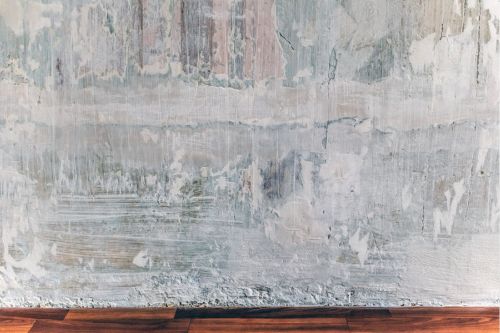
How to tell if a wall needs priming before painting
Finding a crack in a façade just when we are thinking about repainting it raises a logical question: is it enough to fill it and paint over it, or does something else need to be done? The answer depends on the type of fissure, what caused it and, above all, whether it…
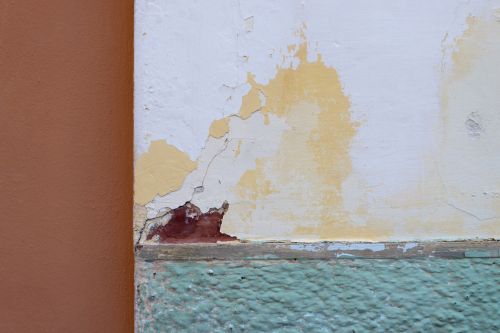
Silicate paint: what it is and when to use it on façades and older properties
Finding a crack in a façade just when we are thinking about repainting it raises a logical question: is it enough to fill it and paint over it, or does something else need to be done? The answer depends on the type of fissure, what caused it and, above all, whether it…
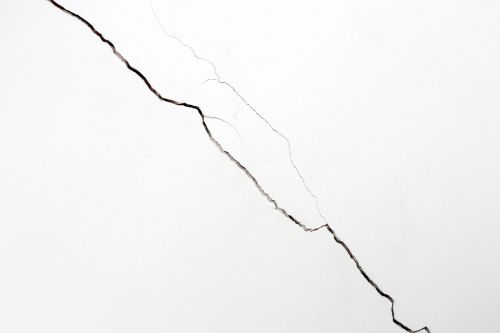
Cracks and fissures in façades: what to repair before repainting
Finding a crack in a façade just when we are thinking about repainting it raises a logical question: is it enough to fill it and paint over it, or does something else need to be done? The answer depends on the type of crack, what caused it and, above all, whether it…