'/%3E%3Cpath%20fill='%23b2b2b2'%20d='M241%20382q0%2016%2017%2026%2017%2011%2042%2011t42-11q16-11%2017-26V269H241'/%3E%3Cpath%20fill='%239f7e00'%20d='M241%20379q0%2014%208%2023%209%209%2021%209%2014%200%2021-9%209-9%209-23V269h-59'/%3E%3Cpath%20d='M241%20339v-70h59v110q0%2014-9%2023l-6%205v-68h-15v72q-8%200-14-4v-68zm59%2040c0%2022%2015%2032%2029%2032%2021%200%2030-18%2030-32v-40h-59'/%3E%3Cpath%20fill='%239f7e00'%20d='M266%20277v5h2v12h-3v-5h2v-5h-9v5h2v5h-4v9h3v18h-5v10h34v-10h-5v-18h3v-9h-4v-5h2v-5h-9v5h2v5h-3v-12h2v-5zm42%20101q0%2010%206%2017%206%206%2015%207%2010-1%2016-7%206-7%206-17v-29h-43'/%3E%3Ccircle%20fill='%230044ad'%20cx='329.5'%20cy='372'%20r='6'/%3E%3Cellipse%20fill='%230044ad'%20cx='300'%20cy='340'%20rx='16'%20ry='21'/%3E%3C/svg%3E)
'/%3E%3C/svg%3E)

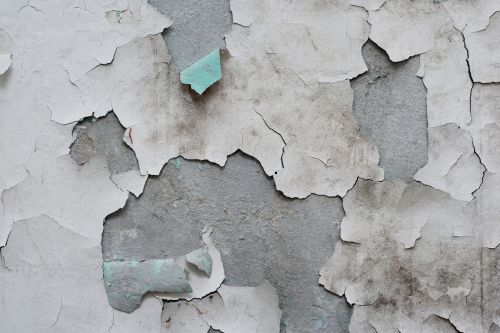
After several weeks of rain, it is advisable to inspect the property, even if no obvious leaks have appeared.
Water can enter through a deteriorated joint, a crack in the façade, a poorly sealed junction or a faulty drain. In many cases, the first sign is not a leak, but a yellowish stain, blistering paint, a damp smell, rust or flaking that was not there before.
In homes in Jávea, Dénia, Moraira and other areas of the Costa Blanca, this inspection is especially advisable. Heavy rainfall can combine with high humidity, wind and salt-laden air, accelerating the deterioration of façades, terraces, woodwork and metal enclosures.
The inspection should follow a logical order: first identify the warning signs, then locate the possible point of water ingress, and only then carry out repairs, prepare the affected surfaces and repaint.
Get in touch with our experts
Quick answer: what should you check after heavy rain?
After a period of heavy rain, it is advisable to check the following areas in particular:
| Area | Signs to look for | Possible problem |
|---|---|---|
| Interior ceilings | Yellowish marks, blistering paint or water drops | Water ingress from a terrace, roof or pipe |
| Exterior walls | Irregular stains, flaking paint or salt deposits | Water ingress through the façade or joints |
| Terraces | Puddles, open joints, cracks or loose tiles | Drainage or waterproofing failure |
| Façades | Cracks, green growth, lifting paint or hollow areas | Deterioration of the exterior coating |
| Windows and doors | Damp around the frame or open seals | Water ingress through joints and connections |
| Railings and metalwork | Rust, blistering or peeling paint | Loss of anti-corrosion protection |
| Exterior wood | Black stains, lifting varnish or swelling | Water absorption and deterioration of the finish |
| Basements and ground floors | Damp rising from the floor or deteriorated skirting areas | Rising damp, lateral water ingress or poor drainage |
Leaks, loose elements and damage that could affect safety should be dealt with before purely cosmetic defects.
Wait until it is safe before carrying out an inspection
Do not access a roof, sloping roof or wet terrace if there is a risk of slipping or falling.
The initial inspection can be carried out from inside the property and from accessible outdoor areas. Work at height, on sloping roofs, cornices or façades should be left to professionals with the appropriate safety equipment.
After heavy rain:
- Photograph any stains or damage.
- Make a note of when they appeared.
- Check whether they increase after further rainfall.
- Move objects away from wet areas.
- Ventilate rooms when conditions allow.
- Do not cover the stain with paint until you know its cause.
Documenting the damage helps distinguish recent damp from an old mark and makes subsequent diagnosis easier.
In what order should you inspect the property?
The inspection is more useful if it follows the route that water could potentially take.
The recommended order is:
- Interior ceilings and walls.
- Terraces, roofs and balconies located above them.
- Façades and exterior junctions.
- Windows, doors and seals.
- Railings, gates and metal enclosures.
- Basements, garages and walls in contact with the ground.
- Drains, gutters and water drainage areas.
An interior stain is not always directly below the point where the water is entering. Water can travel through joints, floor slabs or cavities before becoming visible.
1. Check interior ceilings and walls
Walls and ceilings often show the first signs of water ingress.
Look for changes in colour, blistering paint, softened plaster, flaking, a damp smell or stains that appear after rainfall.
Common signs of water ingress
Damp related to rainfall often has one or more of the following characteristics:
- It appears or increases after rainfall.
- It has an irregular shape.
- It is located near ceilings, façades or windows.
- It creates yellowish or brown marks.
- It causes paint to lift.
- It produces whitish salt deposits.
- It reappears even after the wall has been repainted.
- It coincides with a terrace or roof located above.
Not all damp patches have the same cause. Condensation usually appears in cold corners, around windows and in poorly ventilated rooms, while rising damp normally travels upwards from the lower part of a wall.
Our guide on how to distinguish condensation, water ingress and rising damp explains the most common signs of each problem.
Do not repaint the wall immediately
Painting over a wall that still contains moisture can cause new blisters, stains and flaking.
The correct order is:
- Locate the point where the water is entering.
- Repair the cause.
- Remove damaged materials.
- Allow the substrate to dry.
- Treat mould or salts where necessary.
- Apply a compatible primer.
- Repaint using the appropriate system.
If the stains reappear, affect several rooms or the source of the water is unclear, it is advisable to request a professional damp diagnosis and treatment service.
2. Check terraces, flat roofs and balconies
Terraces are among the first areas that should be inspected after prolonged or heavy rainfall.
Even if the paving appears to be in good condition, water can enter through joints, corners, skirting areas, drains or small movements in the substrate.
What to check on a terrace after rainfall
Check:
- Whether puddles remain for many hours.
- Whether drains are working properly.
- Whether any joints have opened.
- Whether there are cracks in the paving.
- Whether any tiles move or sound hollow.
- Whether the junctions between the floor and walls are deteriorated.
- Whether skirting tiles have become detached.
- Whether there are cracks around pipes.
- Whether visible waterproofing has formed bubbles or blisters.
- Whether stains have appeared on the ceiling of the floor below.
The most vulnerable points are usually corners, drains, changes in level and junctions with walls.
Puddles are an important warning sign
Standing water does not prove by itself that there is a leak, but it does indicate that drainage or the slope may be insufficient.
Standing water keeps joints and coatings wet for longer and can accelerate their deterioration.
It is also advisable to check whether leaves, soil or dirt are blocking the drains. Cleaning should only be carried out when the area is accessible and safe.
Do not waterproof without locating the point of entry
Applying a waterproof coating over the entire terrace may not solve the problem if water is entering through a drain, a crack in the parapet or a junction with the façade.
The solution will depend on:
- The condition of the paving.
- The type of substrate.
- The slope.
- The extent of the damage.
- The previous waterproofing system.
- How the terrace is used.
- Whether there is water ingress into the property below.
You can find more information in our guide on common mistakes when waterproofing a terrace on the Costa Blanca.
When there are leaks, severely deteriorated joints, lifted paving or recurring water ingress, it is advisable to consider professional terrace repair and waterproofing.
3. Examine façades and exterior walls
The façade is directly exposed to rain, wind and changes in temperature.
After a rainy period, defects that previously went unnoticed may become more obvious: wider cracks, lifting paint, dark stains, powdery areas or coatings that are beginning to separate from the substrate.
Signs to watch for
Check for:
- New cracks.
- Cracks that have become larger.
- Blistering paint.
- Flaking paint.
- Stains beneath terraces or balconies.
- Damp around windows.
- Green growth or mould in shaded areas.
- Salt deposits.
- Persistent streaks.
- Areas that sound hollow when gently tapped.
- Detached mortar or coatings.
- Aged or deteriorated sealants.
A superficial stain may only require cleaning. A crack, hollow area or detachment requires a different assessment.
Our guide on signs that your façade needs professional renovation helps distinguish normal paint wear from more serious deterioration.
Pay particular attention to junctions
Water often finds a way in around:
- Window frames.
- Window sills.
- Balconies.
- Cornices.
- Terrace parapets.
- Downpipes.
- Junctions between different materials.
- Service penetrations.
- Cracks near doors.
- Plinths and lower wall areas.
These points may require sealing, repair of the coating or a specific protective system.
A façade should not be treated as purely decorative
The Basic Health and Safety Document of the Spanish Technical Building Code includes protection against moisture among the basic requirements applicable to buildings.
Therefore, if a façade shows water ingress, detachments or persistent damp, simply changing the colour is not enough. The substrate and the points through which water may be entering must be repaired first.
Our façade repair, renovation and painting service allows us to assess the condition of the coating and apply a solution suited to façades exposed to the coastal climate.
4. Check windows, doors and seals
Exterior windows and doors are common points of water ingress.
Leaks may be caused by aged sealant, an open joint, a poorly designed sill or a blocked drainage outlet.
What to check
After rainfall, check for:
- Damp marks around the frame.
- Water on the interior window sill.
- Lifting paint next to windows.
- Cracked sealants.
- Deformed seals.
- Blocked drainage holes.
- Open joints between the frame and wall.
- Swollen wood.
- Rust on fittings.
- Doors that rub or no longer close properly.
Not every problem can be solved by simply adding more silicone. Before resealing, it is important to check whether the existing sealant is still adhered, whether the joint needs to accommodate movement and whether water has a proper drainage route.
Blocking the drainage holes in window or door frames can make water accumulation worse.
5. Check railings, gates and metal enclosures
Rain and humidity can accelerate corrosion when the protective paint has small cuts, impacts or poorly adhered areas.
After a wet period, rust often appears first around welds, screws, corners, supports and lower sections.
Early signs of corrosion
Look for:
- Orange-coloured spots.
- Blistering paint.
- Small areas of flaking.
- Rough surfaces.
- Rust around screws.
- Paint loss around welds.
- Rust stains on walls.
- Joints that are beginning to weaken.
- Water accumulating inside hollow profiles.
When rust is superficial, treatment may involve removing the corrosion, sanding, cleaning, applying an anti-corrosion primer and renewing the finish.
Painting directly over loose rust does not stop corrosion. The process will continue underneath the new coating.
You can find more information about our metal enclosure treatment service in Jávea for railings, fences, gates, doors and balustrades.
You will also find maintenance advice in our article on maintaining iron railings and gates.
Pay attention to safety-related elements
A railing, metal staircase or enclosure with deep corrosion should be inspected as a priority.
When rust has reduced the thickness of the metal, affected welds or weakened fixings, the problem is no longer purely cosmetic.
6. Check exterior wood
Prolonged rainfall can affect doors, windows, shutters, beams, pergolas and other wooden elements.
Loss of varnish or wood stain allows water to penetrate more easily.
Signs of deterioration
Check whether the wood shows:
- Swelling.
- Cracks.
- Dark stains.
- A greyish appearance.
- Whitish varnish.
- Lifting or peeling finish.
- Soft areas.
- Rusty fittings.
- Doors or windows that no longer close properly.
- Small holes or traces of wood dust.
Wet wood should not be varnished immediately. It is important to determine whether deterioration is present, allow the wood to dry and prepare the surface correctly.
When old coatings are lifting, stains are deep or the wood has lost consistency, a professional interior and exterior wood treatment may be required.
7. Check basements, garages and ground floors
Lower floors can show different problems from those found on a terrace or façade.
After heavy rainfall, check:
- Walls in contact with the ground.
- Junctions between floors and walls.
- Poorly ventilated storage rooms.
- Garages.
- Utility rooms.
- Lower wall and skirting areas.
- Walls close to gardens.
- Interior drains.
- Sump pumps, where installed.
A damp patch rising from the floor may be related to rising damp, but it can also be caused by lateral water ingress or temporary water accumulation in the surrounding ground.
The shape of the stain and the way it changes after rainfall can help guide the diagnosis, but they do not replace a professional inspection when the problem is recurring.
8. Check drains, gutters and downpipes
A blockage can cause water to overflow and enter areas that would normally remain dry.
Visually check for:
- Gutters full of leaves.
- Displaced downpipes.
- Open joints.
- Slow-draining outlets.
- Blocked grates.
- Water discharging directly against a façade.
- Water outlets close to doors.
- Vertical stains beneath a downpipe.
- Damp around brackets or joints.
Do not dismantle downpipes or access roofs without the appropriate equipment.
When a downpipe runs through a façade or is concealed, a leak can cause stains some distance away from the visible point of failure.
How to tell whether rainfall has caused the problem
A connection between rainfall and damp is more likely when:
- The stain appears after rainfall.
- It becomes larger after each new period of rain.
- It is close to a façade, roof or terrace.
- The surface improves during dry periods.
- There is a crack or deteriorated joint outside.
- It appears beneath a drain or downpipe.
- There is flaking on the exterior surface.
- The damp is concentrated on an elevation exposed to wind-driven rain.
However, rainy periods can also coincide with higher indoor humidity and reduced ventilation. For this reason, a condensation problem should not automatically be mistaken for water ingress.
| Symptom | Possible cause to investigate |
| Black mould in corners and misted windows | Condensation |
| Yellowish mark that grows after rainfall | Water ingress |
| Flaking from the lower part of the wall | Rising damp or lateral moisture |
| Damp patch below a terrace | Waterproofing, drains or joints |
| Damp around a window | Sealant, sill or façade |
| Vertical damp line | Downpipe or pipework |
| Salt deposits and powdery paint | Movement of moisture through the wall |
| Rust below a balcony or railing | Corrosion and water ingress around fixings |
Which problems should be repaired first?
Immediate priority
Action should be taken as soon as possible when there are:
- Active leaks.
- Water near electrical installations.
- Coatings or elements at risk of falling.
- Weakened railings.
- Bulging ceilings.
- Continuous water ingress.
- Loose tiles or other elements.
- Wood that has lost its structural consistency.
High priority
The following should not be postponed for too long:
- Cracks that are increasing in size.
- Recurring damp.
- Open joints.
- Exterior paint that is peeling or flaking.
- Widespread rust.
- Mould that keeps returning.
- Persistent standing water on terraces.
- Completely deteriorated seals.
Planned maintenance
The following can usually be scheduled when conditions are suitable:
- Uniform colour fading.
- Small areas of flaking without active damp.
- Localised superficial rust.
- Worn varnish.
- Superficial green growth.
- Interior decorative repainting.
How long should you wait before repairing or painting?
There is no single waiting period that applies to every situation.
Drying time depends on the material, the amount of water absorbed, ventilation, temperature and the source of the water ingress.
A surface may feel dry to the touch while still retaining moisture in deeper layers. Before applying primers, paints or waterproof coatings, it is therefore advisable to make sure that the substrate meets the conditions specified by the manufacturer.
The correct process is:
- Stop the water from entering.
- Remove loose materials.
- Improve ventilation.
- Allow the substrate to dry.
- Check that the stain is no longer increasing.
- Treat salts, mould or rust.
- Repair cracks and damaged areas.
- Apply the appropriate finishing system.
Common mistakes after a period of heavy rain
Painting over the stain
This may temporarily improve the appearance, but the damp will mark the wall again if the source of the water has not been repaired.
Sealing without removing deteriorated material
New sealants may fail if they are applied over aged silicone, dirt or wet surfaces.
Waterproofing only the visible area
The point where the stain appears does not always match the point where water is entering.
Cleaning a façade with excessive pressure
Excessive pressure can remove paint, damage joints or force more water into cracks.
Painting directly over rust
Rust must be removed and the metal properly prepared before applying primer and the final coating.
Varnishing damp wood
Trapped moisture can cause poor adhesion, staining and premature deterioration.
Ignoring a problem because it disappears in summer
A leak may dry out during the warmer months and reappear during the next rainy season.
Checklist after heavy rain
Interior
-
Check ceilings.
-
Look for new stains.
-
Check for blistering paint.
-
Inspect corners and windows.
-
Note any damp smells.
-
Photograph any damage.
-
Check whether damage increases after further rainfall.
Accessible terraces and roofs
-
Check joints.
-
Clean accessible drains.
-
Check for standing water.
-
Look for cracks.
-
Inspect skirting areas and junctions.
-
Check for loose tiles.
-
Inspect ceilings underneath.
Façades
-
Look for new cracks.
-
Check for lifting paint.
-
Check for hollow areas.
-
Look for green growth or salt deposits.
-
Inspect windows and balconies.
-
Check downpipes.
-
Inspect lower wall areas and cornices.
Doors, windows and enclosures
-
Check window seals.
-
Look for rust on railings and balustrades.
-
Check welds and screws.
-
Inspect metal doors.
-
Check for swollen wood.
-
Inspect fittings and hardware.
-
Check that doors and windows close properly.
When should you request a professional inspection?
It is advisable to contact a professional when:
- The point where water is entering cannot be identified.
- The damp returns after every period of rainfall.
- Access to roofs or elevated areas is required.
- There are detachments or falling materials.
- The terrace has recurring leaks.
- The façade has cracks or hollow areas.
- A railing is heavily corroded.
- The wood has soft or weakened areas.
- The damage affects several parts of the property.
- Waterproofing, repair and painting need to be coordinated.
A professional inspection helps establish which repair should be carried out first and avoids the use of incompatible products or solutions that are only temporary.
Frequently asked questions
What should I check first after heavy rainfall?
Start by checking ceilings, walls, windows and areas located below terraces or roofs. Active leaks, loose elements or water close to electrical installations should be treated as a priority.
How can I tell whether a damp patch is caused by rain?
Water ingress usually appears or becomes worse after rainfall and may be located near a façade, window, terrace or roof. However, it should be distinguished from condensation and rising damp.
Can I paint a wall once the stain looks dry?
It is not advisable to paint until the source of the water has been repaired and the substrate has been confirmed as dry. Otherwise, stains, blisters and flaking may reappear.
What should I check on a terrace after rainfall?
Check the drains, joints, corners, skirting areas, cracks, slopes, loose tiles and whether any stains have appeared on the floor below.
Do puddles mean that a terrace is leaking?
Not necessarily, but they do indicate that water is not draining properly. Prolonged standing water can increase wear on joints and waterproofing systems.
When does a façade need repairing after heavy rain?
A façade should be inspected when it has cracks, lifting paint, water ingress, salt deposits, hollow areas, detachments or damp around windows and balconies.
What should I do if rust appears on a railing after rainfall?
Rust and poorly adhered paint should be removed, the surface prepared and an anti-corrosion primer applied before the finishing coat. Painting directly over rust usually provides poor durability.
Can rain damage wooden doors and windows?
Yes. If the protective finish is worn, wood can absorb water, swell, stain or crack. It should be allowed to dry and properly prepared before a new treatment is applied.
When should I call a professional?
When there are leaks, recurring water ingress, significant cracks, detachments, damage at height, deep corrosion or uncertainty about the source of the damp.
Conclusion: after heavy rain, diagnose first and repair afterwards
An inspection after a period of heavy rainfall can reveal small leaks before they begin to damage coatings, paintwork, wood or metal elements.
The key is not to simply hide the visible stain. First identify where the water is entering, repair the cause, allow the substrate to dry and only then apply the appropriate treatment or finish.
At Bartolomé Bas Pintores, we have been working since 1984 on the inspection, repair and protection of properties in Jávea, Dénia, Moraira and the northern Costa Blanca. We provide damp treatments, terrace waterproofing, façade work, house painting and maintenance of metal enclosures and exterior wood.
Contact Bartolomé Bas Pintores to request an assessment and determine which repairs your property may need after heavy rainfall.

Bartolomé Bas
Professional painter in Jávea since 1984, specialising in decorative painting, waterproofing, renovations and damp treatment. Founder of Bartolomé Bas Pinturas. More than 35 years of experience transforming homes and business premises on the Costa Blanca.
Professional profiles:
How to tell if a wall needs priming before painting
Finding a crack in a façade just when we are thinking about repainting it raises a logical question: is it enough to fill it and paint over it, or does something else need to be done? The answer depends on the type of fissure, what caused it and, above all, whether it…
Silicate paint: what it is and when to use it on façades and older properties
Finding a crack in a façade just when we are thinking about repainting it raises a logical question: is it enough to fill it and paint over it, or does something else need to be done? The answer depends on the type of fissure, what caused it and, above all, whether it…
Cracks and fissures in façades: what to repair before repainting
Finding a crack in a façade just when we are thinking about repainting it raises a logical question: is it enough to fill it and paint over it, or does something else need to be done? The answer depends on the type of crack, what caused it and, above all, whether it…