
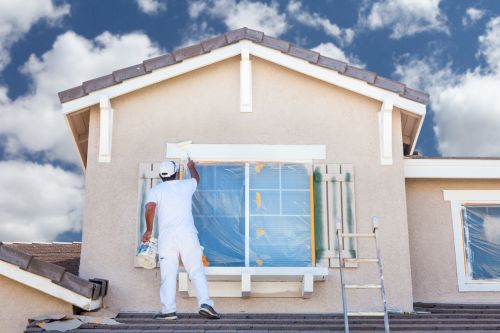
Living near the sea has many advantages, but it also requires greater home maintenance. In coastal areas such as Jávea, Moraira or Denia, façades, exterior walls, terraces, railings, doors and wooden elements are constantly exposed to the sun, ambient humidity, salt air and temperature changes.
That is why one of the most common questions is: how often should a house in a coastal area be painted?
The answer depends on the condition of the property, its orientation, the quality of the previous paintwork and the level of exposure to the climate. As a general reference, a house near the sea usually needs an exterior paintwork inspection every 3 to 5 years, although some more exposed areas may require maintenance sooner.
At Bartolomé Bas Pintores, a decorative painting company founded in 1984 and based in Jávea/Xàbia, we work on homes in Jávea and the surrounding areas, including Denia and Moraira, offering painting, renovation, damp treatment, façade, wood and waterproofing services.
If you are considering renovating your home, you can view our house painters in Jávea and surrounding areas service or request personalised advice through the Bartolomé Bas Pintores contact page.
Get in touch with our experts
Why do houses near the sea need more maintenance?
Homes located on the Costa Blanca are exposed to more demanding conditions than inland properties. The Mediterranean climate, although pleasant, can affect the durability of exterior paint and other exposed materials.
The factors that most deteriorate a house in a coastal area are salt air, ambient humidity, intense sun, wind and occasional rainfall. These elements can cause colour loss, cracks, mould stains, peeling paint or the appearance of rust on metal areas.
In the case of homes with black stains, a damp smell or damaged walls, it is advisable to check whether there is a problem with condensation, leaks or rising damp before painting. The United States Environmental Protection Agency recommends controlling humidity as the main measure to prevent mould growth indoors: EPA guide on mould and moisture.
When visible signs are already present, it is advisable to assess a specialised damp removal service for walls and homes before applying a new coat of paint.
How often to paint a house on the coast
As a general guide, these are the usual timeframes for a home located in a coastal area such as Jávea, Moraira or Denia.
Exterior façades
A façade in a coastal area usually needs painting every 3 to 5 years, especially if it is highly exposed to the sun, wind or humidity. If highly durable paints have been used and the surface was properly prepared, the finish may remain in good condition for longer.
When the façade has cracks, flaking, colour loss or persistent stains, it is advisable to inspect the surface before painting. In these cases, it is recommended to rely on specialists in façade painters in Jávea and the Costa Blanca to choose the most suitable system.
Interiors
Interiors usually last longer, normally between 5 and 8 years, although this will depend on how the property is used. In rental homes, holiday homes or rooms with a lot of humidity, it may be necessary to repaint sooner.
The type of paint used also has an influence. Painting a permanent residence is not the same as painting a holiday home that remains closed for long periods, has little ventilation or is exposed to ambient humidity. In homes located near the sea, ventilation, surface cleaning and indoor humidity control help preserve the paintwork better.
Railings, gates and metal enclosures
Metal elements near the sea require frequent inspections. Salt air accelerates oxidation, so it is advisable to check railings, balustrades, gates and enclosures at least once a year.
If rust spots, peeling paint or loss of protection appear, it is better to act quickly. You can find more information about this type of work in our metal enclosure treatment service.
Exterior wood
Wooden doors, windows, beams, pergolas and shutters may need maintenance every 1 to 3 years, depending on their exposure to the sun and humidity.
Exterior wood in coastal areas needs suitable products to prevent cracks, discolouration, loss of varnish or deterioration caused by humidity. If your home has exterior carpentry, beams or exposed wooden elements, take a look at our exterior wood treatment service.
Terraces and waterproofed areas
Terraces should be inspected periodically, especially before rainy periods. If cracks, damp stains or leaks appear, it is not advisable to wait.
In coastal homes, a poorly waterproofed terrace can cause damp in ceilings, interior walls or façades. To avoid more serious damage, it is advisable to assess a professional terrace waterproofing service when leaks or wear in the previous system are detected.
Signs that your home needs a new coat of paint
You should not always rely only on the number of years. Sometimes the property itself shows clear signs of wear.
It is advisable to repaint or inspect the house if you notice:
- Colour loss on the façade.
- Flaking or peeling paint.
- Damp or mould stains.
- Small cracks in exterior walls.
- Powdery or whitish areas when touching the wall.
- Rust on railings, balustrades or gates.
- Dry, cracked or unprotected wood.
- A damp smell indoors.
- Leaks in terraces or walls.
If the problem affects the entire façade, you can request an assessment through our façade work and exterior renovation services. If the deterioration is related to leaks, the most appropriate option is to check the damp problem first and then apply the corresponding paint finish.
Painting over a damaged surface may give the impression of improvement for a short time, but if the cause of the problem is still active, the paint will peel, stain or crack again.
Which areas of the house deteriorate first?
In a coastal home, not all surfaces age in the same way. The most exposed areas usually need maintenance sooner.
South- or west-facing façades receive more hours of direct sunlight, so they may lose colour sooner. Walls close to gardens or swimming pools also tend to deteriorate earlier due to ground humidity, irrigation or pool products.
Terraces, roofs, railings, balustrades and exterior wooden carpentry are especially sensitive points. That is why, in a home located near the sea, it is advisable to review the paintwork as part of the general maintenance of the house, not just as an aesthetic improvement.
It is also important to pay attention to areas where water accumulates, junctions between walls and floors, window frames and surfaces where stains have already appeared in previous years. These areas usually give warning signs before the problem spreads.
How to extend the life of exterior paint
The durability of paint does not depend only on the product chosen. Previous preparation, application technique and subsequent maintenance also play an important role.
To make paint last longer in a home near the sea, it is advisable to clean the surface thoroughly before painting, remove salt residue, repair cracks, treat damp, use suitable primers, choose resistant paints and respect drying times.
It is also recommended to carry out small periodic inspections. Detecting a crack, an area with mould or a rust spot in time prevents the problem from progressing and helps keep the property in better condition for longer.
At Bartolomé Bas Pintores, we provide technical advice on materials, including antibacterial, ecological, mineral and smart paints, selecting the product according to the specific situation of each home.
If you do not know what type of paint your home needs, our personalised paint advice service helps you choose the most suitable finish according to the surface, exposure and real condition of the house.
When to call a professional painter
It is advisable to contact a professional painter when the property has damp stains, flaking, cracks, colour loss, mould, rust or deterioration of exterior wood.
A professional does not only apply paint. They also inspect the surface, detect previous problems and recommend the most suitable system so that the finish is long-lasting.
In coastal areas such as Jávea, Moraira or Denia, this inspection is especially important because the climate can accelerate wear if incorrect materials are used or if the surface is not properly prepared.
In addition, professional work makes it easier to plan timings, choose the right product and avoid common mistakes such as painting over damp, failing to prepare the surface properly or applying paint that is not resistant enough for exterior use.
If you want to know whether it is time to paint your house, you can request an assessment through our contact page to request a painting quote.
Summary: how often to paint a house near the sea
A home located in a coastal area such as Jávea, Moraira or Denia usually needs an exterior paintwork inspection every 3 to 5 years. However, façades that are highly exposed to the sun, salt air, wind or humidity may require maintenance sooner.
Paint does not only improve the appearance of the house: it also protects façades, walls, wood, railings, terraces and other exterior elements against the wear typical of the Mediterranean climate. That is why, before repainting, it is advisable to inspect the condition of the surface, repair cracks, treat possible damp problems and choose suitable materials for exterior use.
At Bartolomé Bas Pintores, we have experience since 1984 in painting, renovation and home maintenance in Jávea, Denia, Moraira and the surrounding areas. If you want to know whether it is time to paint your house, we can assess the condition of the surface and recommend the best solution.
Request a professional inspection of your home and prevent paint wear from turning into bigger problems.
Frequently asked questions
How often should a façade near the sea be painted?
In a coastal area, the usual recommendation is to inspect the façade every 3 to 5 years. If the property is highly exposed to the sun, wind, salt air or humidity, it may need maintenance sooner.
Does exterior paint last less in Jávea, Moraira or Denia?
Yes. Ambient humidity, salt air and solar radiation can reduce the lifespan of exterior paint if suitable products are not used or if the surface is not prepared correctly.
Is it better to paint before or after summer?
It depends on the condition of the property and the weather conditions. The important thing is to avoid painting in extreme temperatures, rain or excessive humidity. A professional can assess the best time according to the orientation of the house and the type of surface.
What happens if I paint over a damp wall?
If you paint over damp without treating the cause, the paint may peel, mould may appear or the stain may return. First, the origin of the problem must be diagnosed, and then the appropriate paint system should be chosen.
What paint is best for a house near the sea?
Resistant, breathable exterior paints suitable for the type of surface are recommended. In some cases, specific façade coatings, mineral paints, damp-proof paints or more technical protection systems may be used.
Do wood and metal also need maintenance?
Yes. In coastal areas, exterior wood and metal elements need periodic inspections. The sun, humidity and salt air can damage them faster than in inland areas.
When should I request a quote to paint a house on the coast?
It is advisable to request a quote when flaking, cracks, damp stains, colour loss, rust or deterioration of the wood appear. It is also recommended if several years have passed since the last exterior paintwork inspection.

Bartolomé Bas
Professional painter in Jávea since 1984, specialising in decorative painting, waterproofing, renovations and damp treatment. Founder of Bartolomé Bas Pinturas. More than 35 years of experience transforming homes and commercial premises on the Costa Blanca.
Professional networks:
Other articles you might find interesting
How to tell if a wall needs priming before painting
Finding a crack in a façade just when we are thinking about repainting it raises a logical question: is it enough to fill it and paint over it, or does something else need to be done? The answer depends on the type of fissure, what caused it and, above all, whether it…
Silicate paint: what it is and when to use it on façades and older properties
Finding a crack in a façade just when we are thinking about repainting it raises a logical question: is it enough to fill it and paint over it, or does something else need to be done? The answer depends on the type of fissure, what caused it and, above all, whether it…
Cracks and fissures in façades: what to repair before repainting
Finding a crack in a façade just when we are thinking about repainting it raises a logical question: is it enough to fill it and paint over it, or does something else need to be done? The answer depends on the type of crack, what caused it and, above all, whether it…